


Reimer Heating, Cooling & Plumbing proudly serves homeowners throughout Buffalo, Rochester, Schenectady, Hamburg, and Cheektowaga with trusted heating solutions built for New York’s extreme winter climate. One of the most common questions we hear from homeowners—especially those upgrading aging systems—is whether a furnace or boiler is the better choice for their home. Both systems provide heat, but they do so in very different ways, and each comes with its own benefits depending on your home’s age, layout, and comfort needs.
Western and Upstate New York homes often experience some of the toughest winter conditions in the country. The choice between a furnace and a boiler can significantly impact your comfort, your energy bills, and the lifespan of your heating system. This comprehensive guide compares both systems, explains how they work, and helps you determine which heating solution is best suited for your home’s needs.
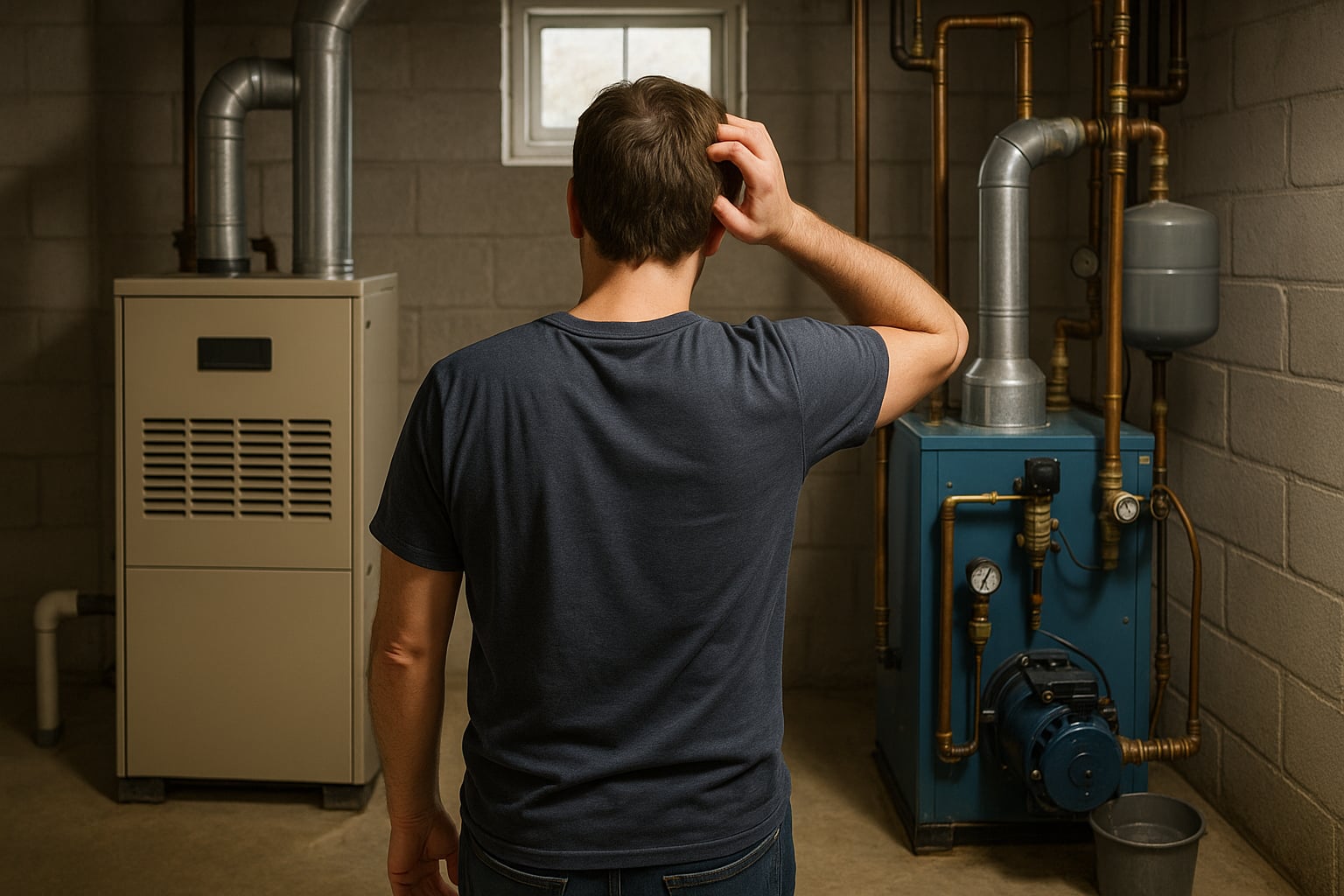
How Do Furnaces and Boilers Work?
Understanding the basic mechanics of each system is the starting point for making an informed decision.
How a Furnace Works
A furnace heats air and distributes it throughout your home using ductwork. The process is simple:
- The furnace burns gas or uses electric elements to heat air.
- A blower pushes that warm air into ducts.
- The warm air enters each room through supply vents.
- Cooler air returns to the furnace through return vents to be reheated.
Most newer construction homes in Western New York use forced-air systems because they pair easily with central air conditioning.
How a Boiler Works
A boiler heats water instead of air. That hot water or steam travels through:
- Radiators
- Baseboard heaters
- Radiant floor systems
Rather than blowing hot air, boilers radiate warmth, creating a steady, even heat that many homeowners prefer. Radiant heat is particularly common in older homes throughout Buffalo and Rochester, where original heating systems often centered on cast-iron radiators.
The Advantages of Furnaces
Furnaces are widely used across New York because they offer reliable performance, easy integration with other systems, and cost-effective installation.
1. Lower Upfront Installation Cost
If your home already has ductwork for heating or cooling, a furnace is typically more affordable to install. Replacing an existing furnace is usually straightforward, making it a budget-friendly choice.
2. Fast, Responsive Heat
Furnaces heat air quickly. This is ideal for homes that cool down rapidly during subzero weather or where occupants regularly adjust the thermostat.
3. Compatible with Central Air Conditioning
Homeowners who want a single integrated HVAC system often choose furnaces because they work seamlessly with traditional AC units. Homes across Rochester, Hamburg, and Cheektowaga commonly use forced air for both heating and cooling.
4. Readily Available Parts and Service
Furnace parts are common, and repairs are often faster—critical during Western New York winter storms when emergency calls surge.
5. Effective in Drafty Homes
Because they blow forced air, furnaces can help overcome drafts in older homes where heat loss is common.
The Advantages of Boilers
While furnaces may be more common, boilers offer unique benefits, especially for comfort-focused homeowners.
1. More Even, Consistent Heating
Boilers heat spaces using radiant heat rather than blowing air. Radiant warmth tends to feel more comfortable because:
- It eliminates cold spots
- It maintains more stable temperatures
- It warms surfaces, not just air
This is ideal for homes that struggle with uneven heating during long winter months.
2. Better Indoor Air Quality
Boilers do not use ductwork, which means they do not circulate dust, allergens, or dry air. Many homeowners with allergies or respiratory issues prefer radiant heat for this reason.
3. Quiet Operation
Because boilers don’t use fans or blowers, they operate with minimal noise—something many homeowners appreciate, especially at night.
4. Great for Older Homes
Buffalo’s historic neighborhoods, Schenectady’s older row homes, and many Rochester properties still feature classic radiator systems. Boilers allow these homes to maintain their original heating style, which is often the most effective and efficient solution for their layout.
5. Longer System Lifespan
Boilers typically last longer than furnaces because they have fewer moving parts. With proper maintenance, boilers can operate 15–30 years or more.
Energy Efficiency: Which System Performs Better?
When comparing furnaces and boilers, efficiency plays a major role in long-term cost and comfort.
Furnace Efficiency Considerations
High-efficiency furnaces can achieve 95%+ AFUE ratings, meaning nearly all the fuel becomes usable heat. However, real-world efficiency depends on:
- Ductwork condition
- Air filter maintenance
- Proper airflow
- Blower performance
Homes with aging or poorly insulated ducts—common in older Buffalo and Rochester neighborhoods—may experience significant energy loss.
Boiler Efficiency Considerations
Boilers can also reach high AFUE ratings, but their biggest efficiency benefit is how radiant heat interacts with the body. Radiant warmth feels stronger and more consistent, allowing homeowners to feel comfortable even with lower thermostat settings.
However, boilers respond more slowly to thermostat adjustments compared to furnaces.
Which Heating System Is Best for Western & Upstate New York?
Choosing the right system depends on your home’s design, your comfort preferences, and your long-term goals.
1. What Type of Home Do You Have?
- Existing ductwork: Furnace is typically more cost-effective.
- No ductwork: A boiler or ductless heating system may be a better option.
Installing new ductwork can be expensive, especially in multi-story older homes.
2. Do You Prefer Fast Heat or Steady Heat?
- Furnace: Fast, powerful heat.
- Boiler: Smooth, even radiant heat.
Some homeowners prefer the immediate warmth of a furnace, while others enjoy the comfort of radiant heating.
3. How Important Is Air Quality to You?
Furnaces can circulate dust and allergens, while boilers avoid this issue entirely.
4. Do You Plan to Add Central Air Conditioning?
If central AC is in your future plans, a furnace-based system makes integration easier and more economical.
5. Is Your Home Older or Historic?
Older homes in Buffalo, Rochester, and Schenectady often benefit from keeping or upgrading the original boiler-based radiant heat system.
Common Problems Homeowners Experience With Each System
Furnace Issues
- Blower failure
- Duct leaks
- Short cycling
- Loud operation
- Heat exchanger concerns
Boiler Issues
- Corroded pipes
- Uneven radiator heating
- Circulator pump failure
- Leaks or mineral buildup
- Slow response time
Recognizing these issues helps homeowners decide whether to repair or replace.
Repair or Replace: How to Decide Which System to Invest In
During a professional inspection, Reimer Heating, Cooling & Plumbing technicians evaluate the condition of your current system and provide honest recommendations.
Replacement may be the best option if:
- Your furnace or boiler is 15–20+ years old
- Repairs have become frequent or expensive
- Your home never feels evenly heated
- Energy bills are rising despite similar usage
- Safety issues such as leaks or cracks are present
Newer systems are significantly more efficient and reliable, and they can provide major savings during New York’s long heating season.
Why Homeowners Across New York Trust Reimer
Reimer Heating, Cooling & Plumbing has been serving Western and Upstate New York families for generations. Our technicians understand the unique climate challenges across Buffalo, Rochester, Schenectady, and surrounding communities—long winters, unpredictable storms, and months of continuous heating demand.
We provide honest guidance based on your home’s needs, budget, and long-term comfort goals. Whether you’re replacing an aging system or deciding between furnace and boiler options, our team delivers trusted recommendations backed by our 100% Satisfaction Guarantee.
If you’re comparing heating systems or looking for expert advice on whether a furnace or boiler is right for your home, we’re here to help you make an informed, confident decision. Call Reimer Heating, Cooling & Plumbing today to schedule a consultation and discover the best heating solution for your home.