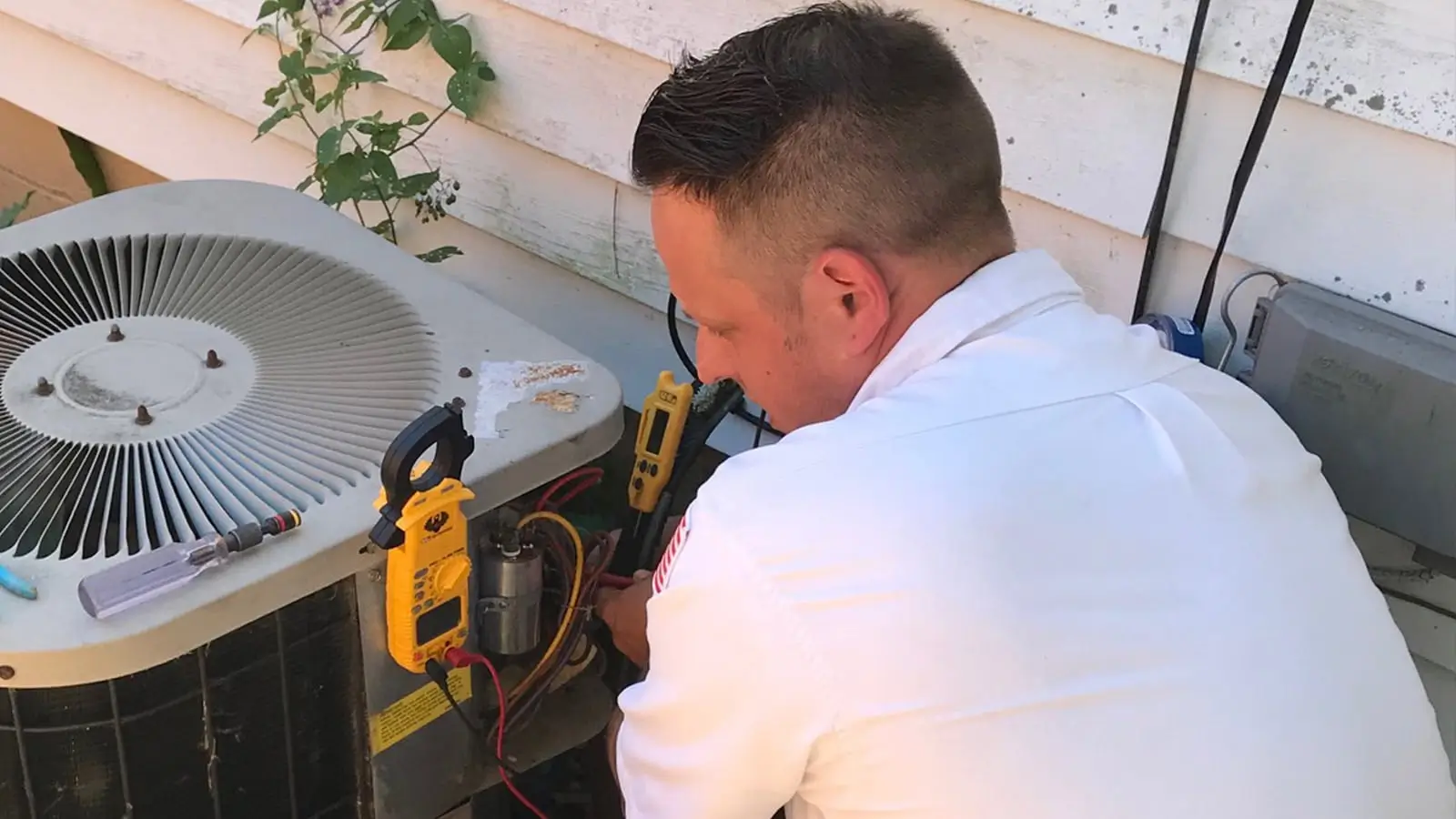



If your furnace is struggling to keep your home warm during a Buffalo winter, you may be wondering whether it’s time for a replacement—and how much it might cost. Furnace replacement is one of the most important home comfort investments homeowners make in Western New York.
Because winters in Buffalo are long and often severe, a reliable heating system is essential. Older or failing furnaces can lead to rising energy bills, uneven heating, and unexpected breakdowns during the coldest days of the year.
Reimer Heating, Cooling & Plumbing provides professional furnace replacement services in Buffalo, NY and surrounding Western New York communities. Understanding the factors that affect furnace replacement cost can help homeowners plan ahead and choose the right heating solution for their home.
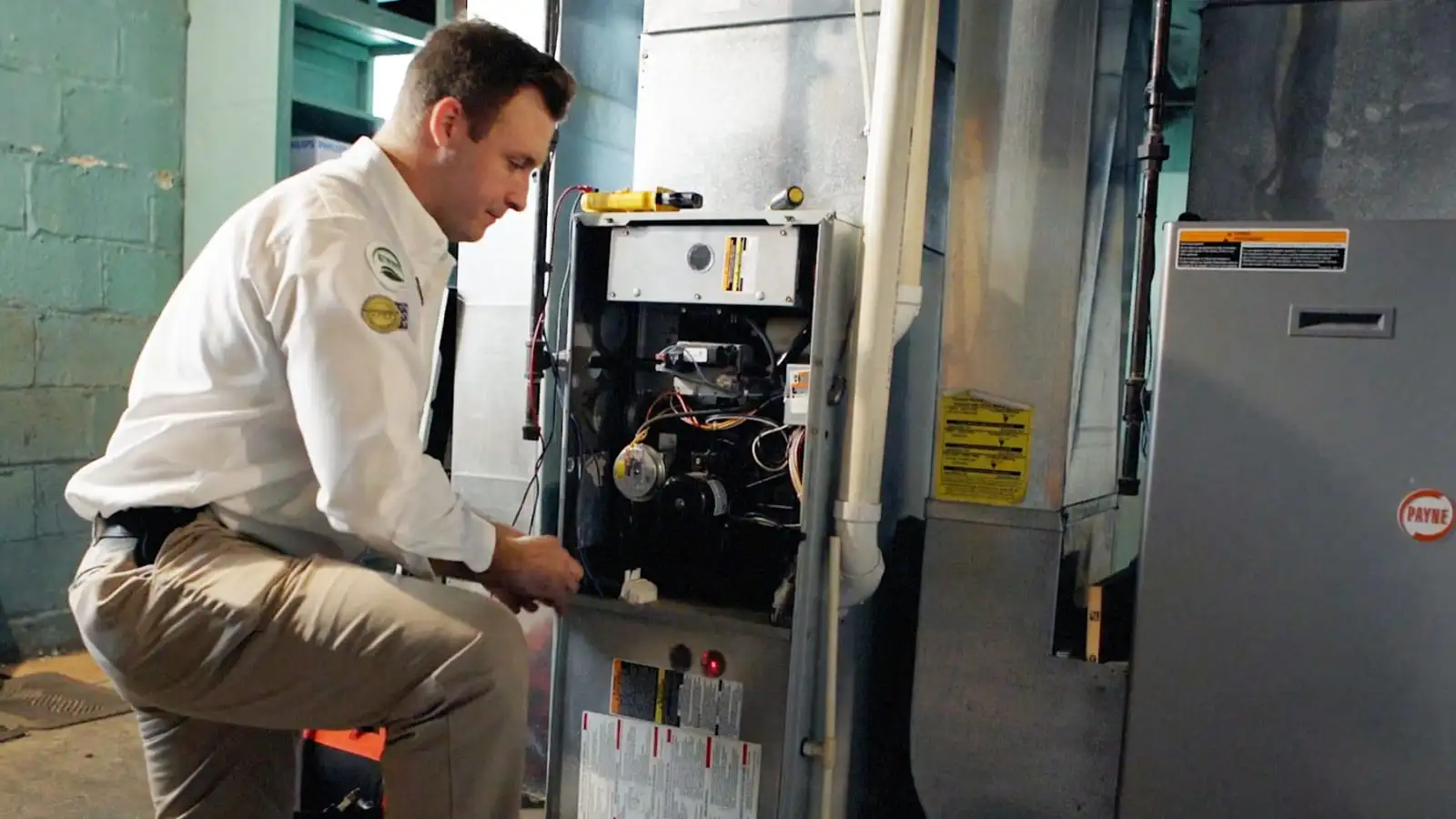
What Homeowners Need to Know About Furnace Replacement Costs
The cost of replacing a furnace can vary depending on several factors, including the type of furnace, the size of the home, and the complexity of installation.
In Buffalo and Western New York, furnace replacement costs typically depend on:
- Furnace size and heating capacity
- Energy efficiency rating
- Fuel type (natural gas, electric, or propane)
- Ductwork condition
- Installation complexity
- Additional system upgrades
While the exact cost varies, investing in a high-quality furnace can improve home comfort and reduce heating expenses over time.
Why Furnace Replacement Is Common in Buffalo Homes
Buffalo’s climate places heavy demand on heating systems. During winter months, furnaces may run for long periods each day to maintain comfortable indoor temperatures.
Several regional factors contribute to furnace wear and replacement.
Long, Cold Winters
Buffalo frequently experiences freezing temperatures and heavy lake-effect snowfall. Furnaces must work consistently to keep homes warm.
Older Housing Infrastructure
Many homes in Buffalo were built decades ago and may still have outdated heating systems nearing the end of their lifespan.
Rising Energy Costs
Older furnaces often operate less efficiently, which can increase monthly heating bills.
Frequent System Cycling
During extreme cold snaps, furnaces may cycle on and off frequently, accelerating component wear.
Replacing an aging furnace can improve heating performance and energy efficiency.
Signs Your Furnace May Need Replacement
Sometimes furnace repairs can extend the life of a heating system. However, certain warning signs indicate replacement may be the better option.
Homeowners should consider replacement if they notice:
- The furnace is more than 15–20 years old
- Frequent repair needs
- Uneven heating throughout the home
- Rising energy bills
- Loud noises during operation
- Difficulty maintaining consistent temperatures
If your furnace struggles during Buffalo’s coldest months, replacing it before a complete failure can prevent emergency breakdowns.
How Furnace Efficiency Affects Cost
Modern furnaces are designed to operate much more efficiently than older models.
Efficiency is measured by AFUE (Annual Fuel Utilization Efficiency), which indicates how much fuel is converted into usable heat.
Common furnace efficiency levels include:
- 80% AFUE – Standard efficiency
- 90–95% AFUE – High efficiency
- 96%+ AFUE – Ultra high efficiency
Higher efficiency furnaces may have a higher upfront cost but can significantly reduce long-term heating expenses.
In Buffalo’s cold climate, energy-efficient systems can provide substantial savings during winter months.
Types of Furnaces Available for Replacement
Homeowners replacing a furnace have several system options to consider.
Natural Gas Furnaces
Natural gas furnaces are the most common heating systems in Buffalo homes.
Benefits include:
- Reliable heating performance
- Lower operating costs
- Efficient heating for cold climates
Electric Furnaces
Electric furnaces are often used in homes without access to natural gas.
They offer simple installation and reliable performance but may have higher operating costs in colder regions.
High-Efficiency Condensing Furnaces
These advanced systems capture additional heat from exhaust gases, improving energy efficiency.
They are particularly beneficial in areas with long winters like Western New York.
A professional consultation can help determine which furnace type is best for your home.
What Happens During a Furnace Replacement
Replacing a furnace involves several steps to ensure the system is installed correctly and operates safely.
Step 1: Home Heating Evaluation
Technicians evaluate your home’s size, insulation, and ductwork to determine the appropriate furnace capacity.
Step 2: Furnace Removal
The existing furnace is safely disconnected and removed.
Step 3: Installation of the New System
The new furnace is installed and connected to gas lines, ductwork, and electrical systems.
Step 4: System Testing
Technicians test airflow, thermostat operation, and heating performance to ensure the system operates efficiently.
Professional installation ensures your heating system performs reliably during Buffalo’s harsh winters.
Benefits of Replacing an Old Furnace
Upgrading your heating system can improve both comfort and energy efficiency.
Improved Heating Performance
Modern furnaces distribute heat more evenly throughout the home.
Lower Energy Bills
Energy-efficient systems use less fuel while producing more heat.
Increased Home Value
New HVAC systems can improve property value and appeal to future buyers.
Greater Reliability
New systems are less likely to experience breakdowns during peak winter months.
Replacing an outdated furnace before it fails can prevent costly emergency repairs.
How to Extend the Life of a New Furnace
After installing a new furnace, regular maintenance helps ensure long-term performance.
Homeowners can protect their system by:
- Replacing air filters regularly
- Scheduling annual heating maintenance
- Keeping vents and registers clear
- Monitoring thermostat performance
- Addressing minor issues early
Routine maintenance helps ensure the furnace operates efficiently for many years.
Why Homeowners in Buffalo Trust Reimer
For decades, homeowners throughout Buffalo and Western New York have relied on experienced professionals for reliable heating solutions.
Reimer technicians provide:
- Professional furnace replacement services
- High-efficiency heating system installations
- Honest recommendations and upfront pricing
- Licensed and experienced HVAC technicians
- Reliable service designed for Western New York winters
Whether your furnace is failing or simply outdated, professional installation helps ensure dependable heat when you need it most.
Call Reimer Heating, Cooling & Plumbing in Buffalo today to schedule your furnace replacement consultation.
Frequently Asked Questions About Furnace Replacement
How long do furnaces typically last?
Most furnaces last 15–20 years with proper maintenance.
Can a new furnace reduce energy bills?
Yes. High-efficiency furnaces use less fuel and can significantly lower heating costs.
How long does furnace replacement take?
Most installations can be completed within a single day.
Should I repair or replace my furnace?
If the furnace is older and requires frequent repairs, replacement may be the more cost-effective solution.
Stay Warm with Reliable Furnace Replacement
A reliable furnace is essential for staying comfortable during Buffalo’s long winter season. Replacing an aging system can improve efficiency, reduce heating costs, and provide dependable warmth for years to come.
For generations, families across New York have trusted Reimer Heating, Cooling & Plumbing for reliable home comfort solutions. Call today to schedule your service and see why neighbors continue to choose Reimer.Cooling & Plumbing for reliable home comfort solutions. Call today to schedule your service and see why neighbors continue to choose Reimer.