


Few things are more frustrating on a hot summer day than turning on your air conditioner and feeling warm air coming from the vents. Whether you’re dealing with a sudden system failure or gradually declining performance, an AC that isn’t cooling properly can quickly make your home uncomfortable.
The good news is that not every air conditioning problem requires a major repair. In some cases, the issue may be something simple that can be addressed quickly. In other situations, warm air may indicate a more serious problem that requires professional attention.
In this guide, we’ll explain why your AC may be blowing warm air, potential troubleshooting steps, and when it’s time to call a qualified HVAC technician.
Why Is My AC Blowing Warm Air?
Several issues can cause an air conditioner to stop producing cold air.
Common causes include:
- Incorrect thermostat settings
- Dirty air filters
- Refrigerant leaks
- Frozen evaporator coils
- Electrical issues
- Condenser unit problems
- Clogged condensate drains
- Compressor failures
- Restricted airflow
- Aging system components
The exact cause often depends on the age of the system, maintenance history, and symptoms accompanying the warm airflow.
Check the Thermostat First
Before assuming your air conditioner requires repair, start by checking the thermostat.
It may sound obvious, but homeowners are often surprised to discover the issue is simply a thermostat setting.
Verify that:
- The thermostat is set to “Cool”
- The desired temperature is lower than the current room temperature
- The fan setting is on “Auto” rather than “On”
- The thermostat display is functioning properly
When the fan is set to “On,” it may continue circulating air even when the cooling cycle is not actively running, creating the impression that the system is blowing warm air.
If thermostat settings appear correct and warm air continues, additional troubleshooting may be needed.
Dirty Air Filter Restricting Airflow
A clogged air filter is one of the most common causes of cooling problems.
When airflow becomes restricted, your system must work harder to cool your home. In some cases, restricted airflow can cause the evaporator coil to freeze, preventing proper cooling.
Signs of a dirty filter include:
- Weak airflow
- Increased dust
- Higher energy bills
- Uneven cooling
- Longer cooling cycles
Replacing a dirty filter may restore normal airflow and improve cooling performance.
Most homeowners should inspect their filters regularly and replace them according to manufacturer recommendations.
Refrigerant Leak
Refrigerant plays a critical role in the cooling process. If refrigerant levels become low due to a leak, the system may struggle to remove heat from indoor air.
Common symptoms include:
- Warm air from vents
- Longer cooling cycles
- Ice buildup on coils
- Hissing sounds
- Reduced cooling performance
Unlike fuel, refrigerant is not consumed during normal operation. If levels are low, a leak is typically present.
Professional HVAC technicians can locate the leak, perform repairs, and recharge the system to manufacturer specifications.
Frozen Evaporator Coil
An evaporator coil absorbs heat from your home’s air. When airflow becomes restricted or refrigerant levels drop, the coil can freeze.
A frozen coil often causes:
- Warm airflow
- Weak airflow
- Ice accumulation
- System shutdowns
Common causes include:
- Dirty filters
- Refrigerant leaks
- Blower problems
- Blocked vents
If you notice ice on your indoor unit or refrigerant lines, turn the system off and contact an HVAC professional.
Continuing to operate a frozen system can lead to additional damage.
Outdoor Condenser Unit Problems
Your outdoor unit is responsible for releasing heat collected from inside your home.
If the condenser unit cannot operate properly, cooling performance may suffer.
Common outdoor unit issues include:
- Dirty condenser coils
- Blocked airflow
- Fan motor failures
- Electrical problems
- Debris accumulation
Homeowners should periodically inspect outdoor units and remove leaves, grass clippings, and debris that may obstruct airflow.
Professional cleaning and maintenance can further improve performance.
Electrical Issues
Modern air conditioning systems rely on multiple electrical components to function properly.
Electrical problems may affect:
- Capacitors
- Contactors
- Wiring connections
- Relays
- Circuit boards
Symptoms can include:
- Warm air
- System cycling issues
- Failure to start
- Unusual noises
Electrical diagnostics should always be performed by qualified HVAC professionals.
Compressor Problems
The compressor is often considered the heart of the air conditioning system.
When a compressor fails, the system may continue running but lose its ability to cool effectively.
Potential signs of compressor issues include:
- Warm air
- Outdoor unit problems
- Loud noises
- High energy bills
- Frequent breaker trips
Because compressors are major system components, professional diagnosis is essential.
Depending on the age and condition of the system, repair or replacement may be recommended.
Common Buffalo & Western New York Summer AC Issues
Homeowners throughout Buffalo, Hamburg, Niagara Falls, and Western New York often experience cooling problems during periods of high humidity.
During hot and humid weather:
- Systems run longer
- Airflow restrictions become more noticeable
- Refrigerant issues become more apparent
- Cooling demands increase significantly
Many homeowners first notice warm airflow during the season’s first major heat wave.
This is one reason annual maintenance before summer is so important.
What You Can Troubleshoot Yourself
Before calling for service, homeowners can safely check:
Thermostat Settings
Ensure cooling mode is enabled and temperatures are set correctly.
Air Filter Condition
Replace dirty filters if necessary.
Circuit Breakers
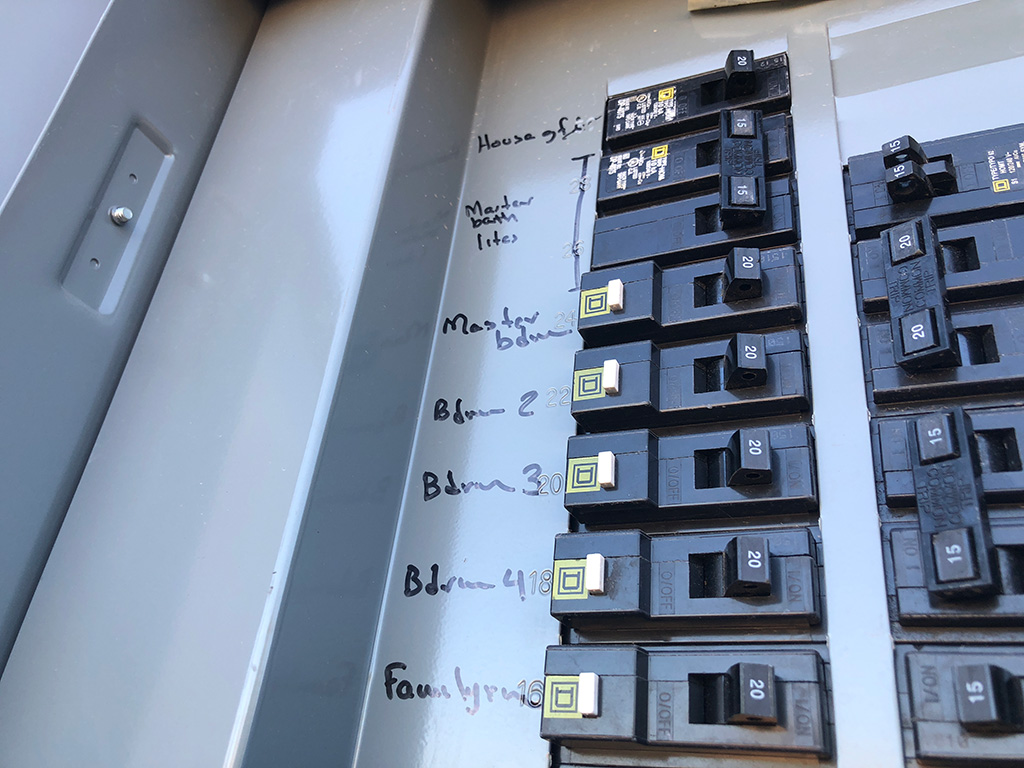
Check for tripped breakers affecting indoor or outdoor units.
Outdoor Unit Clearance
Remove debris and vegetation surrounding the condenser.
Supply Vents
Ensure vents remain open and unobstructed.
If these steps do not resolve the issue, professional service is recommended.
When to Call an HVAC Professional
Some cooling problems require specialized tools, training, and equipment.
Contact an HVAC technician if:
- Warm air persists
- Ice is visible on the system
- Refrigerant leaks are suspected
- Electrical issues occur
- Airflow remains weak
- Strange noises develop
- Cooling performance continues declining
Prompt repairs can help prevent additional damage and reduce repair costs.
How Preventative Maintenance Helps Prevent Warm Air Problems
Routine maintenance remains one of the most effective ways to reduce air conditioning problems.
Benefits of annual AC maintenance include:
- Improved efficiency
- Better airflow
- Refrigerant inspections
- Coil cleaning
- Electrical testing
- Longer equipment lifespan
- Fewer unexpected breakdowns
Many causes of warm airflow can be identified and corrected before they lead to major cooling failures.
Scheduling maintenance before summer helps ensure reliable performance when temperatures rise.
Why Choose Reimer Heating, Cooling & Plumbing for AC Repairs?
When your air conditioner isn’t keeping your home comfortable, you need experienced professionals you can trust.
Homeowners choose Reimer Heating, Cooling & Plumbing because we provide:
- Experienced HVAC technicians
- Accurate diagnostics
- Honest recommendations
- Prompt service
- Quality workmanship
- Comprehensive cooling solutions
Our team is committed to helping homeowners restore comfort quickly and efficiently.
Schedule AC Repair Service Today
If your AC is blowing warm air, don’t wait for the problem to get worse. Reimer Heating, Cooling & Plumbing provides professional AC repair services designed to restore cooling performance and improve comfort throughout your home.
Call Reimer Heating, Cooling & Plumbing today to schedule AC service.
Frequently Asked Questions
Why is my AC running but not cooling?
Common causes include dirty air filters, refrigerant leaks, thermostat problems, frozen coils, and condenser unit issues.
Can a dirty filter cause warm air?
Yes. Restricted airflow can reduce cooling performance and may even cause the evaporator coil to freeze.
Should I turn off my AC if it’s blowing warm air?
If ice is present or airflow is severely restricted, turning the system off may help prevent additional damage until a technician can inspect it.
How much does it cost to fix an AC blowing warm air?
Costs vary depending on the cause of the problem, required parts, and repair complexity.
How can I prevent my AC from blowing warm air?
Annual maintenance, regular filter changes, and prompt attention to developing issues can help keep your cooling system operating efficiently.