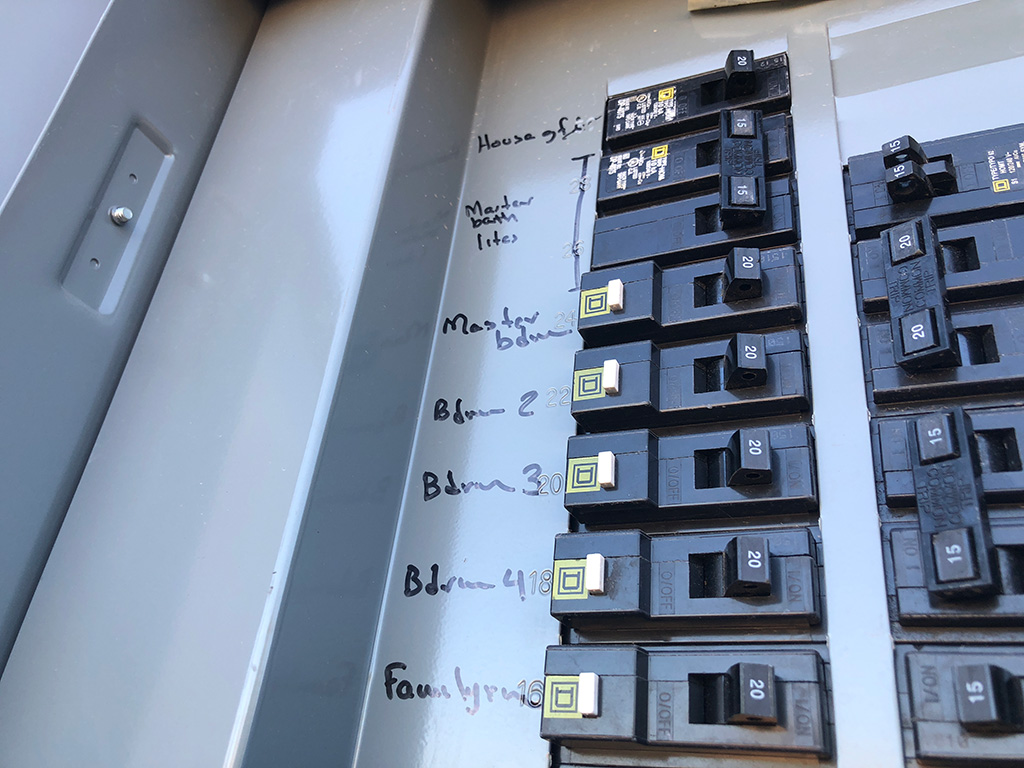



Electrical safety has come a long way over the last few decades, but many New York homeowners are still unsure what today’s breakers actually do — and why modern electrical panels look so different from older ones. If you’ve ever opened your panel and wondered why some breakers say GFCI, AFCI, or “dual-function,” you’re not alone.
Reimer Heating, Cooling & Plumbing helps homeowners across Western and Upstate New York stay safe, code-compliant, and confident in their electrical systems. This guide explains what each type of breaker protects against, where they’re required, and when professional electrical service is the smart move.
Why Electrical Protection Matters More in Older New York Homes
Many homes in Buffalo, Rochester, Hamburg, and Schenectady were built long before modern electrical codes existed. Aging wiring, past DIY upgrades, and evolving appliance demands all increase electrical risk.
Common local factors include:
- Older knob-and-tube or early NM wiring
- Damp basements and crawl spaces
- Seasonal humidity swings
- Higher electrical loads from modern appliances, HVAC systems, and EV chargers
Modern breaker protection is designed to address these real-world risks — not just overloads.
What Is a GFCI Breaker and What Does It Protect?
Ground Fault Circuit Interrupters (GFCIs) protect people from electrical shock.
A GFCI monitors the flow of electricity and shuts power off instantly if it detects current leaking outside the intended circuit path — such as through water or a person.
Where GFCI Protection Is Typically Required
GFCIs are required anywhere electricity and moisture might meet, including:
- Bathrooms
- Kitchens
- Basements
- Garages
- Laundry rooms
- Outdoor outlets
In many New York homes, older outlets may lack proper GFCI protection, especially in finished basements.
Signs You May Need GFCI Upgrades
- Frequent tripping near sinks or appliances
- No GFCI outlets in bathrooms or kitchens
- Older two-prong or unprotected outlets
- Home renovations triggering code updates
Proper GFCI protection significantly reduces shock risk and is a core part of modern electrical safety.
What Is an AFCI Breaker and Why Is It Different?
Arc Fault Circuit Interrupters (AFCIs) protect against electrical fires.
AFCIs detect dangerous arcing — tiny sparks that occur when wiring is damaged, loose, or deteriorating. These arcs can ignite surrounding materials long before a standard breaker trips.
Why Arc Faults Are Common in Older Homes
In Upstate New York homes, arc faults often result from:
- Aging insulation on wiring
- Loose connections behind walls
- Rodent damage
- Improper DIY electrical work
AFCI protection addresses fire risks that traditional breakers cannot detect.
Where AFCI Protection Is Typically Required
Modern codes require AFCI protection in most living spaces, including:
- Bedrooms
- Living rooms
- Dining rooms
- Hallways
- Finished basements
If your home was built or remodeled before AFCI requirements were common, your panel may not provide this protection.
What Are Dual-Function Breakers?
Dual-function breakers combine both GFCI and AFCI protection in one device.
They protect against:
- Ground faults (shock hazards)
- Arc faults (fire hazards)
These breakers are increasingly used in newer panels and remodels to meet evolving electrical codes efficiently.
Why Dual-Function Breakers Are Becoming More Common
Dual-function breakers are ideal for:
- Kitchens and laundry rooms
- Finished basements
- Modern living spaces near plumbing
- Panel upgrades with limited space
They simplify compliance while maximizing safety.
GFCI vs. AFCI vs. Dual-Function: Quick Comparison
| Breaker Type | Protects Against | Primary Risk |
| GFCI | Ground faults | Electrical shock |
| AFCI | Arc faults | Electrical fires |
| Dual-function | Both | Shock and fire |
Each serves a specific purpose — and many homes need all three.
Do Breaker Requirements Change Over Time?
Yes. Electrical codes evolve as risks and technologies change. While older homes may be “grandfathered,” any new work often triggers current code requirements.
Common situations that require updates:
- Panel replacements
- Finished basement projects
- Kitchen or bathroom remodels
- HVAC system upgrades
- EV charger installations
Reimer Heating, Cooling & Plumbing ensures electrical work meets both safety standards and New York code requirements.
Why Breakers Trip (and When to Be Concerned)
Occasional tripping can be normal, but repeated trips signal a problem.
Common causes include:
- Faulty appliances
- Moisture intrusion
- Wiring damage
- Overloaded circuits
Ignoring frequent circuit breaker tripping defeats the safety purpose of modern breakers.
DIY vs. Professional Electrical Work
While replacing an outlet may look simple online, breaker work is not a DIY task.
Professional electrical service ensures:
- Proper breaker selection
- Safe panel access
- Accurate load calculations
- Code compliance
- System testing after installation
Improper breaker installation can create serious safety hazards.
How Reimer Helps Homeowners Stay Electrically Safe
Reimer Heating, Cooling & Plumbing provides complete electrical services throughout Western and Upstate New York, including:
- Electrical panel inspections and upgrades
- GFCI, AFCI, and dual-function breaker installation
- Load calculations for modern appliances
- Code-compliant repairs and replacements
With licensed, insured electricians and decades of local experience, Reimer understands the unique needs of New York homes.
When Should You Schedule an Electrical Inspection?
Consider a professional inspection if:
- Your panel is over 20 years old
- Breakers trip frequently
- You’re planning a remodel or new appliance
- Your home lacks modern safety protection
Proactive inspections help prevent fires, shocks, and unexpected outages.
Protect Your Home with Modern Electrical Safety
Electrical protection isn’t about convenience — it’s about keeping your family and home safe. Whether you need GFCI protection in wet areas, AFCI fire prevention, or dual-function coverage, the right solution depends on your home’s layout and usage.
Schedule your electrical service with Reimer Heating, Cooling & Plumbing today.
Need fast electrical repairs or upgrades? Contact Reimer now.
Call Reimer Heating, Cooling & Plumbing for reliable, code-compliant electrical solutions.