



Basement flooding is a common concern for homeowners throughout Western New York. Heavy rain, melting snow, and rising groundwater can quickly lead to water entering basements if proper drainage systems aren’t in place.
A sump pump is one of the most effective ways to protect your home from water damage. By removing excess water from your foundation, sump pumps help prevent flooding, mold growth, and structural damage.
Reimer Heating, Cooling & Plumbing provides professional sump pump installation throughout Buffalo and the surrounding Western New York communities. With the region’s unpredictable weather and lake-effect storms, having a reliable sump pump system is essential for keeping your basement dry and your home protected.
Why Sump Pumps Are Important for Buffalo Homes
Buffalo homeowners face unique challenges when it comes to water management.
The region’s climate and geography contribute to increased flooding risks, particularly during certain times of year.
Heavy Rainstorms
Western New York frequently experiences strong storms that can quickly saturate the ground around your home.
Snowmelt in Early Spring
After long winters, melting snow can raise groundwater levels and overwhelm basement drainage systems.
Lake-Effect Weather
Proximity to Lake Erie creates intense lake-effect precipitation events that bring heavy snowfall and rain.
Older Homes and Foundations
Many homes in Buffalo were built decades ago and may not have modern waterproofing systems.
A properly installed sump pump provides an important defense against these conditions.
What Homeowners Need to Know About Sump Pump Systems
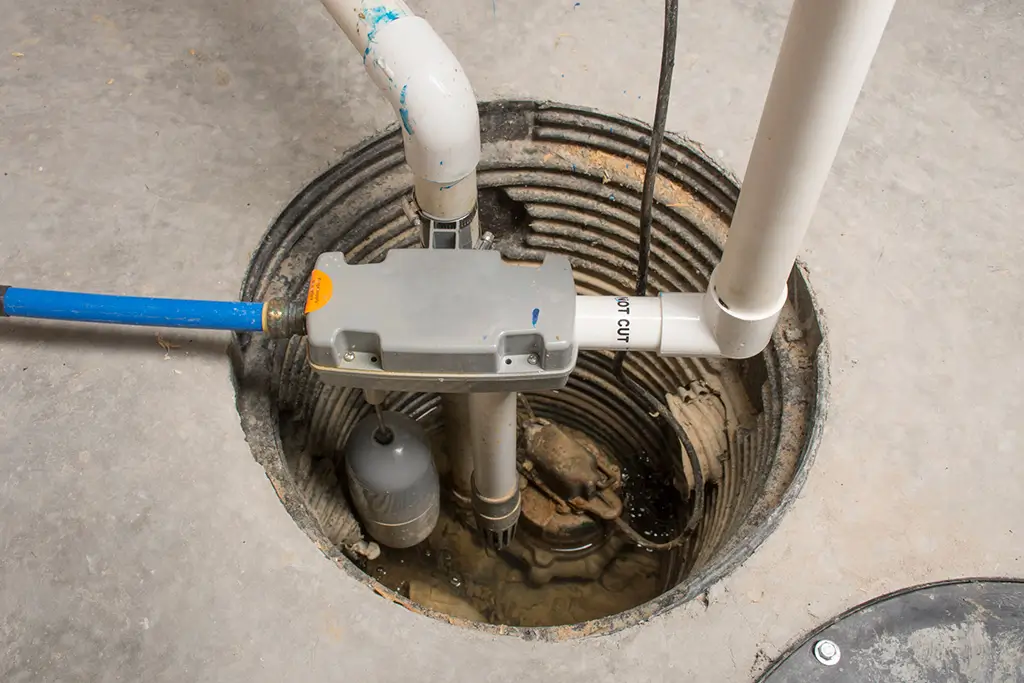
A sump pump removes water that collects in a sump basin installed in the lowest part of a basement or crawl space.
When groundwater levels rise, water flows into the basin. The sump pump then automatically pumps the water away from the home’s foundation through a discharge pipe.
This helps prevent water from entering the basement.
Sump pump systems typically include:
- A sump basin or pit
- The pump itself
- A float switch that activates the pump
- A discharge pipe that directs water outside
- Optional backup systems for added protection
When installed properly, the system runs automatically whenever water begins to collect.
Signs You May Need a Sump Pump Installed
Some homes are more vulnerable to water intrusion than others. If you notice certain warning signs, installing a sump pump may be a wise investment.
Common indicators include:
- Water pooling in the basement after storms
- Damp basement floors or walls
- Musty odors or mold growth
- Cracks in foundation walls
- A history of basement flooding
- Homes located in low-lying areas
Even if flooding has only happened once, preventative installation can protect your home from future damage.
Types of Sump Pumps for Homes
Different sump pump systems are available depending on your home’s needs and risk level.
Submersible Sump Pumps
These pumps are installed directly inside the sump basin and operate underwater.
Benefits include:
- Quiet operation
- Efficient water removal
- Long lifespan
Submersible pumps are commonly used in homes with higher water volumes.
Pedestal Sump Pumps
Pedestal pumps sit above the sump basin with the motor mounted on a shaft.
Advantages include:
- Easier maintenance access
- Lower installation cost
- Longer motor lifespan
However, they tend to be slightly noisier than submersible systems.
Battery Backup Sump Pumps
Backup systems activate if the main sump pump fails or if power is lost during a storm.
Because severe weather can cause power outages, backup systems provide an extra layer of protection.
How Professional Sump Pump Installation Works
Installing a sump pump involves several steps to ensure the system functions reliably.
Step 1: Site Evaluation
Technicians evaluate the basement or crawl space to determine the best location for the sump basin.
The lowest point of the foundation is typically chosen.
Step 2: Excavating the Sump Pit
A hole is dug in the basement floor where the sump basin will be installed.
The basin is placed securely and surrounded by gravel to improve drainage.
Step 3: Installing the Pump
The sump pump is installed inside the basin and connected to a discharge pipe.
The pipe directs water away from the home’s foundation.
Step 4: Electrical Connection
The pump is connected to a dedicated electrical outlet to ensure safe operation.
Step 5: System Testing
After installation, the pump is tested to ensure it activates correctly and removes water efficiently.
Professional installation helps ensure the system operates reliably during heavy storms.
Benefits of Installing a Sump Pump
Installing a sump pump provides several long-term benefits for homeowners.
Flood Prevention
The primary advantage is protecting your basement from water intrusion during heavy rain or snowmelt.
Reduced Mold and Mildew Risk
Removing excess moisture helps prevent mold growth and improves indoor air quality.
Protection for Finished Basements
Homes with finished basements benefit greatly from sump pumps, as flooding can damage flooring, drywall, and furniture.
Increased Property Value
A well-maintained basement drainage system can improve a home’s overall value and appeal to buyers.
How to Maintain Your Sump Pump
Routine maintenance helps ensure your sump pump is ready to operate when needed.
Homeowners should take the following steps:
- Test the pump periodically by pouring water into the sump pit
- Clean debris from the basin
- Check the discharge line for blockages
- Inspect the float switch
- Schedule professional inspections
Annual maintenance helps identify potential problems before a major storm arrives.
When to Replace a Sump Pump
Most sump pumps last 7 to 10 years, depending on usage and maintenance.
Signs it may be time to replace the pump include:
- Frequent cycling on and off
- Unusual noises during operation
- Visible rust or corrosion
- Failure to activate when water rises
- Repeated basement flooding
Replacing an aging pump can prevent unexpected failure during heavy storms.
Why Homeowners in Buffalo Trust Reimer
For generations, homeowners throughout Buffalo and Western New York have relied on experienced professionals for dependable home services.
Reimer technicians provide:
- Professional sump pump installation
- Basement flood prevention solutions
- Reliable plumbing diagnostics
- Upfront pricing and honest recommendations
- Service backed by decades of local experience
Whether you’re installing a sump pump for the first time or replacing an aging system, professional installation ensures reliable performance.
Call Reimer Heating, Cooling & Plumbing in Buffalo today to schedule your sump pump installation.
Frequently Asked Questions About Sump Pumps
Do all homes need a sump pump?
Not every home requires one, but homes with basements or high groundwater levels often benefit from sump pump protection.
Can sump pumps fail during power outages?
Yes. Installing a battery backup system can provide protection when electricity is unavailable.
How often should sump pumps be inspected?
Annual inspections are recommended to ensure the pump and discharge system are working properly.
Where does the water go after it’s pumped out?
The discharge pipe directs water safely away from your home’s foundation.
Protect Your Basement from Flooding
Basement flooding can cause serious damage to your home and belongings. A professionally installed sump pump helps manage groundwater and keeps your basement dry even during heavy storms.
For generations, families across New York have trusted Reimer Heating, Cooling & Plumbing for reliable home comfort solutions. Call today to schedule your service and see why neighbors continue to choose Reimer.