



In Western and Upstate New York, winter storms don’t just bring snow. Ice storms — often driven by fluctuating temperatures near Lake Erie, Lake Ontario, and along the I-90 corridor — can be some of the most disruptive weather events homeowners face. Heavy ice accumulation on power lines and trees regularly leads to extended outages across Buffalo, Cheektowaga, Hamburg, Rochester, and Schenectady.
When the power goes out in the middle of winter, the risks extend far beyond inconvenience. Loss of heat, frozen pipes, spoiled food, and non-functioning sump pumps can quickly turn into expensive emergencies. That’s why many homeowners turn to standby generators as a reliable safeguard — but only if those systems are truly ready when an ice storm hits.
Reimer Heating, Cooling & Plumbing helps New York homeowners prepare their homes for severe winter weather by installing, maintaining, and servicing standby generators designed for local conditions. This guide explains what a Standby generator really means, what homeowners should check before ice storm season, and how to avoid common failures when the grid goes down.
Why Ice Storms Are Especially Dangerous in New York
Unlike snowstorms, ice storms combine freezing rain, wind, and fluctuating temperatures. Ice coats power lines, transformers, and tree branches, adding extreme weight and causing widespread damage.
During major ice events, homeowners often face:
- Multi-day power outages
- Loss of heating systems that rely on electricity
- Sump pump failures during snowmelt
- Frozen or burst pipes
- Basement flooding
In areas like Buffalo and Rochester, where winter heating is essential for safety, losing power for even a few hours can create serious risks.
What Is a Standby Generator?
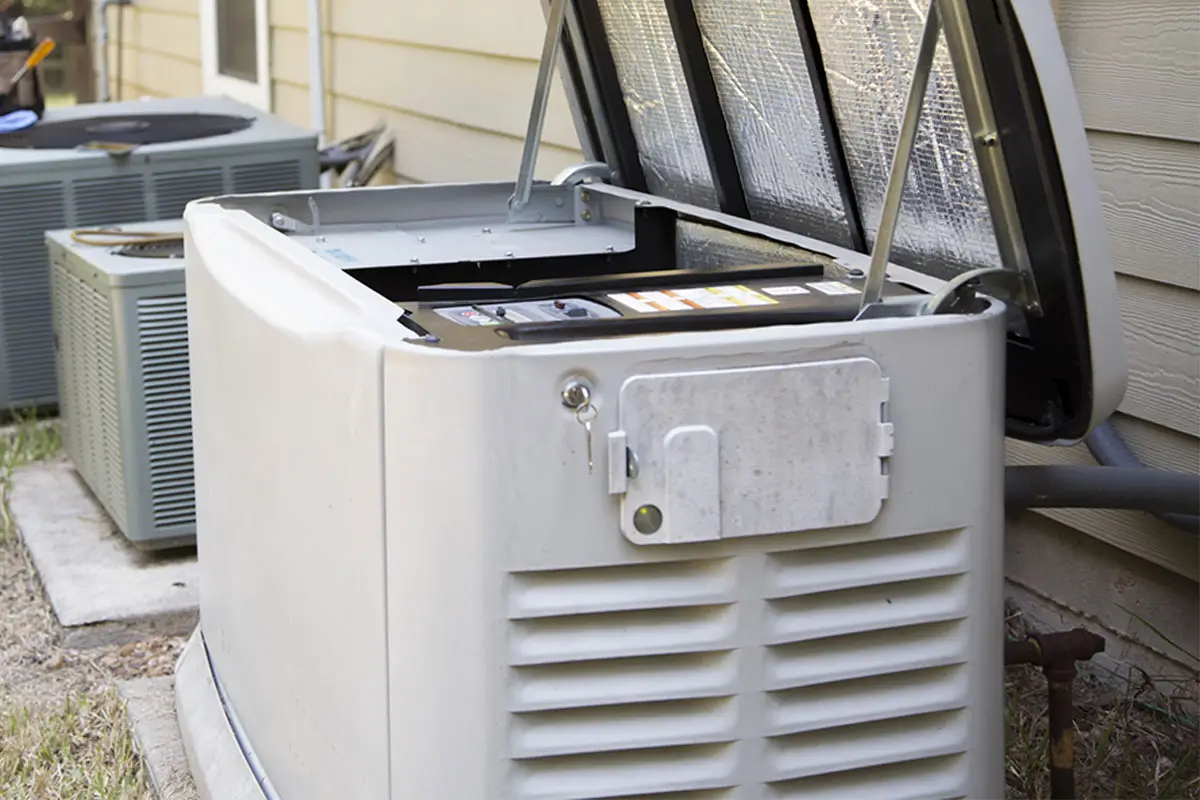
A standby generator is a permanently installed system designed to automatically supply power to your home during an outage. Unlike portable generators, standby systems:
- Are connected directly to your electrical panel
- Activate automatically within seconds of an outage
- Run on natural gas or propane
- Power critical systems or the entire home
When utility power is restored, the generator shuts off automatically, allowing your home to return to normal operation without manual intervention.
Why Generator Readiness Matters Before Ice Storm Season
Many generator failures occur not because of equipment defects, but because systems weren’t properly prepared for winter conditions. Ice storms often reveal issues that go unnoticed during mild weather.
Generator readiness means:
- The system starts reliably in freezing temperatures
- Fuel supply is uninterrupted
- Electrical transfer switches function properly
- The generator can safely handle winter electrical loads
A generator that hasn’t been tested or maintained may fail when you need it most.
Common Problems That Prevent Generators From Starting During Ice Storms
Battery Failure
The generator’s battery is responsible for starting the system automatically. Cold temperatures significantly reduce battery performance.
Warning signs include:
- Slow or failed startup during testing
- Battery warning alerts
- A generator that won’t start without manual assistance
Batteries typically need replacement every 3–5 years, often sooner in harsh winter climates.
Fuel Supply Issues
Standby generators rely on a consistent fuel source. Problems can occur if:
- Natural gas pressure drops during peak demand
- Propane tanks are underfilled
- Valves are partially closed
- Regulators are malfunctioning
Fuel supply checks are a critical part of winter readiness.
Transfer Switch Problems
The automatic transfer switch detects outages and signals the generator to start. If the switch fails, the generator may run but not deliver power to the home.
Issues may include:
- Faulty sensors
- Wiring problems
- Improper installation
Without a functioning transfer switch, even a running generator can be useless.
What Systems Should a Standby Generator Power in Winter?
In New York winters, generators are often sized to support essential systems rather than luxury loads.
Critical systems typically include:
- Furnace or boiler controls
- Heat pumps
- Sump pumps
- Well pumps
- Refrigeration
- Select lighting and outlets
Some homeowners choose whole-home generators, while others prioritize life-safety and damage-prevention systems.
How Ice Storms Affect Plumbing and Basements
Power outages during winter can quickly lead to plumbing emergencies.
Without power:
- Sump pumps stop working
- Snowmelt and groundwater can flood basements
- Pipes can freeze without active heating
Standby generators help protect plumbing systems by keeping heat and drainage systems operational when storms knock out the grid.
Signs Your Generator May Not Be Ice-Storm Ready
Homeowners should schedule professional service if they notice:
- Warning lights or error codes
- Failed or skipped weekly self-tests
- Unusual noises during operation
- Visible corrosion or damage
- Expired maintenance schedules
Waiting until after a storm warning is issued often means long service delays when demand spikes.
How Often Should Standby Generators Be Maintained?
In Western and Upstate New York, annual professional maintenance is essential, with additional checks before winter.
A proper maintenance visit includes:
- Battery testing and replacement if needed
- Fuel system inspection
- Transfer switch testing
- Load testing under real conditions
- Software and control updates
Regular maintenance ensures the generator will respond immediately during an outage.
Generator Sizing Mistakes That Show Up During Winter
Improperly sized generators are a common problem during cold weather. Winter electrical loads are often higher due to heating systems, pumps, and longer periods of darkness.
Undersized generators may:
- Shut down under load
- Cycle on and off
- Fail to power heating equipment
Professional sizing ensures your generator can handle winter demand without strain.
Installation Quality Matters in Ice-Prone Regions
Ice storms expose installation shortcuts that may not be obvious in mild weather. Proper installation includes:
- Correct placement away from snow drifts
- Elevated mounting where needed
- Weather-protected electrical connections
- Proper exhaust clearance
Reimer Heating, Cooling & Plumbing installs standby generators with New York’s winter conditions in mind, not just code minimums.
What Homeowners Can Do Before Ice Storm Season
Before winter weather arrives, homeowners should:
- Schedule generator maintenance early
- Confirm fuel supply levels
- Clear debris around the generator
- Review which circuits are powered
- Test system operation under load
Preparation reduces the chance of unpleasant surprises during a storm.
Why Many NY Homeowners Choose Standby Generators
For families across Buffalo, Rochester, and Schenectady, standby generators provide peace of mind during unpredictable winter weather. When ice storms knock out power, these systems:
- Keep homes heated
- Prevent frozen pipes
- Protect basements from flooding
- Maintain essential daily functions
They are not just a convenience — they are a critical layer of home protection.
Schedule Your Consultation Today
Ice storms are an unavoidable part of life in Western and Upstate New York, and power outages often follow. A standby generator that hasn’t been properly prepared may not perform when conditions are at their worst. Regular maintenance, correct sizing, and professional installation are essential for ensuring your generator is ready to protect your home through winter’s toughest storms.
Call Reimer Heating, Cooling & Plumbing today to make sure your standby generator is ready for ice storm season.