



Reimer Heating, Cooling & Plumbing is proud to help homeowners across Buffalo, Rochester, Schenectady, and surrounding New York communities find reliable hot water solutions that work in our challenging climate. Tankless water heaters have become increasingly popular for their energy efficiency, space-saving design, and ability to provide hot water on demand. However, in colder regions like Western and Upstate New York, homeowners sometimes experience temperature swings or inconsistent hot water if systems are not properly sized, installed, or maintained.
Cold inlet water temperatures play a major role in how tankless water heaters perform. When winter temperatures drop and groundwater gets colder, even a high-quality system can struggle if it isn’t designed with local conditions in mind. This article explains why temperature swings happen, how cold inlet water affects tankless performance, and what New York homeowners can do to ensure consistent, reliable hot water year-round.
How Tankless Water Heaters Work
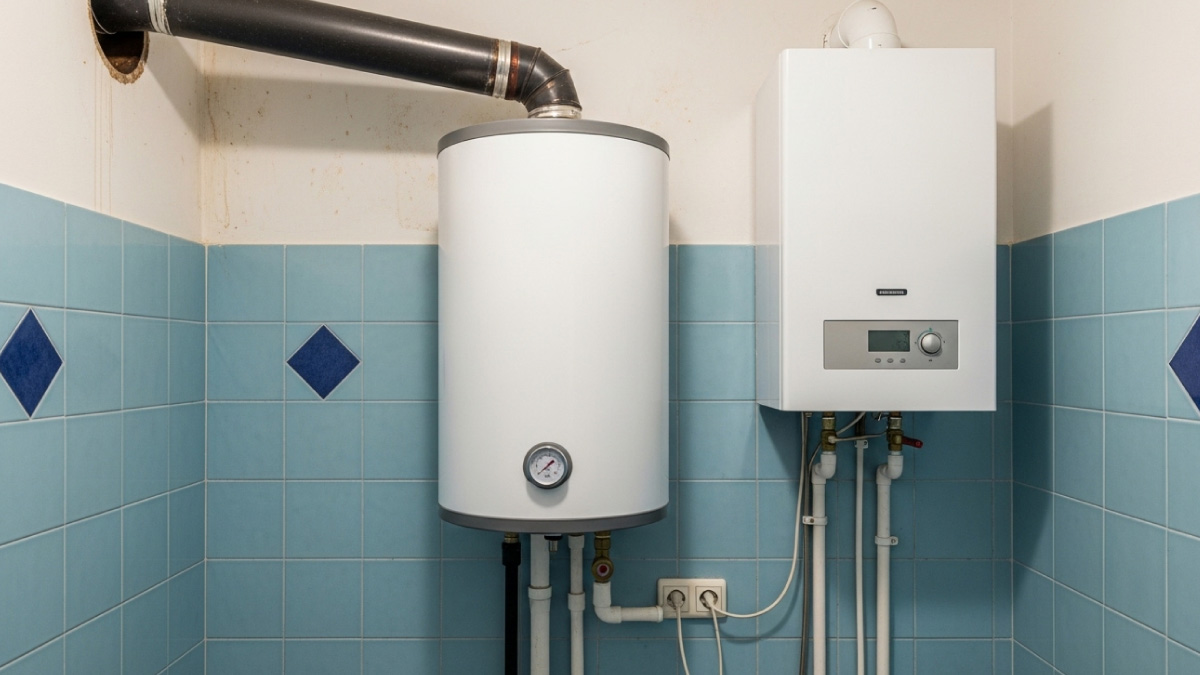
Unlike traditional tank-style water heaters that store and continuously reheat a large volume of water, tankless systems heat water only when it is needed. When you turn on a hot water faucet, cold water flows through the unit, where powerful heating elements or gas burners rapidly raise the temperature before the water reaches your tap.
This on-demand design offers several advantages:
- Improved energy efficiency
- Endless hot water under the right conditions
- Smaller footprint compared to tank heaters
- Reduced risk of tank leaks or flooding
However, tankless systems must heat incoming water instantly, which means their performance depends heavily on the temperature of the water entering the unit.
Why Cold Inlet Water Matters in New York
In Western and Upstate New York, groundwater temperatures fluctuate significantly throughout the year. During summer, inlet water temperatures may hover in a comfortable range. In winter, however, inlet water temperatures can drop dramatically—often into the low 40s or even high 30s.
The colder the inlet water, the harder your tankless water heater must work to reach the desired output temperature. For example:
- Raising water from 50°F to 120°F requires less energy
- Raising water from 38°F to 120°F requires much more power
If the system is not properly sized or configured, this increased demand can result in temperature instability.
What Causes Temperature Swings in Tankless Water Heaters?
Temperature swings are one of the most common complaints homeowners report with tankless systems in colder climates. Several factors can contribute to this issue.
1. Undersized Tankless Water Heater
One of the most common causes of temperature swings is improper sizing. Tankless water heaters are rated based on how many gallons per minute (GPM) they can heat at a specific temperature rise.
In New York winters, the required temperature rise is much higher than in warmer regions. A system sized for moderate climates may not be capable of handling:
- Multiple fixtures running at once
- Simultaneous hot water use during peak times
- Extremely cold inlet temperatures
When demand exceeds the unit’s capacity, the system may reduce output temperature, resulting in fluctuating or lukewarm water.
2. High Simultaneous Water Demand
Tankless systems have limits. Running multiple showers, dishwashers, washing machines, or sinks at the same time can overwhelm the unit—especially in winter.
Common scenarios that trigger temperature swings include:
- Morning routines with multiple showers
- Laundry running while someone showers
- Dishwashers and sinks operating simultaneously
In cold inlet conditions, even small increases in demand can push the system beyond its heating capacity.
3. Inconsistent Water Flow Rates
Tankless water heaters rely on stable flow rates to regulate temperature accurately. Sudden changes in flow—such as turning a faucet on or off—can cause the unit to adjust rapidly, leading to brief temperature fluctuations.
In older New York homes with aging plumbing systems, pressure variations are more common and can amplify this effect.
4. Improper Installation or Venting
Correct installation is critical for tankless water heater performance. Issues that can contribute to temperature swings include:
- Incorrect gas line sizing
- Improper electrical supply
- Inadequate venting
- Poor placement within the home
Inadequate gas supply is especially problematic in cold climates, as the system cannot generate enough heat output when demand spikes.
5. Mineral Buildup and Maintenance Issues
Hard water is common in parts of Western and Upstate New York. Over time, mineral buildup inside the heat exchanger can reduce efficiency and restrict heat transfer.
This buildup forces the system to work harder and can lead to:
- Reduced heating capacity
- Slower temperature response
- Inconsistent hot water delivery
Regular maintenance is essential to keep tankless systems performing properly.
Why Tankless Water Heaters Perform Differently in Winter
Homeowners often report that their tankless water heater works well in summer but struggles in winter. This seasonal difference is almost always tied to inlet water temperature.
During winter:
- Water entering the system is significantly colder
- The unit must work longer and harder to heat water
- Flow rates may need to be reduced to maintain temperature
Without proper system design, this can lead to noticeable temperature drops at fixtures.
How to Prevent Temperature Swings in Cold Climates
Tankless water heaters can work extremely well in New York when designed and installed correctly. The following strategies help ensure stable performance.
1. Proper System Sizing for New York Conditions
A professional evaluation is essential. Reimer Heating, Cooling & Plumbing calculates system size based on:
- Coldest expected inlet water temperature
- Number of bathrooms and fixtures
- Peak simultaneous water usage
- Household size and habits
Oversizing slightly for winter conditions is often recommended in cold climates to ensure consistent performance year-round.
2. Installing Multiple Units or a Hybrid System
For larger households, multiple tankless units or a hybrid system may be the best solution.
Options include:
- Two tankless units working together
- A tankless system paired with a small storage tank
- Zoned hot water systems
These configurations help distribute demand and prevent temperature drops during peak usage.
3. Flow Rate Management
Reducing flow slightly during peak usage can significantly improve temperature stability. This can be achieved by:
- Installing low-flow fixtures
- Using thermostatic mixing valves
- Staggering high-demand activities
Modern fixtures often maintain comfort while using less water.
4. Ensuring Proper Gas or Electrical Supply
Tankless systems require substantial power. Gas units often need larger gas lines than traditional tank heaters, while electric units require upgraded electrical service.
Professional installation ensures:
- Adequate fuel supply
- Safe operation
- Maximum heating output during cold conditions
This step is critical in older New York homes.
5. Routine Maintenance and Descaling
Annual maintenance helps prevent mineral buildup and efficiency loss. During maintenance, technicians:
- Flush mineral deposits from the system
- Inspect sensors and controls
- Verify heating performance
- Ensure venting and safety components are functioning correctly
Regular service keeps temperature delivery consistent, even during winter.
Are Tankless Water Heaters Right for Every New York Home?
While tankless water heaters offer many benefits, they are not ideal for every household. Homes that may face challenges include:
- Very large families with heavy simultaneous water use
- Older homes with limited gas or electrical capacity
- Properties with extensive plumbing distance between fixtures
In these cases, alternative solutions or system modifications may provide better results.
Comparing Tankless vs. Tank Water Heaters in Cold Climates
In cold inlet conditions, traditional tank water heaters still offer advantages:
- Stored hot water buffers temperature swings
- Less sensitive to inlet temperature changes
- Simpler installation in some homes
However, tankless systems provide long-term energy savings, space efficiency, and endless hot water when properly designed.
Choosing the right system depends on your home’s layout, usage patterns, and infrastructure.
How Professional Installation Makes the Difference
The difference between a frustrating tankless experience and a reliable one often comes down to professional design and installation. Reimer Heating, Cooling & Plumbing evaluates each home individually, accounting for:
- Local groundwater temperatures
- Winter performance demands
- Home plumbing layout
- Electrical or gas capacity
- Long-term maintenance needs
This approach ensures homeowners receive a system that performs consistently—even during Buffalo’s coldest winters.
Why New York Homeowners Trust Reimer for Tankless Water Heaters
For generations, Reimer Heating, Cooling & Plumbing has helped families across Western and Upstate New York navigate complex home comfort decisions. Our technicians understand the realities of cold inlet water, aging infrastructure, and winter performance demands. We provide honest guidance, expert installation, and ongoing support to ensure your water heating system delivers dependable comfort year-round.
If you’re considering a tankless water heater or experiencing temperature swings during winter, professional evaluation can make all the difference. Call Reimer Heating, Cooling & Plumbing today to schedule a tankless water heater consultation and ensure your home enjoys consistent, reliable hot water—even during New York’s coldest months.