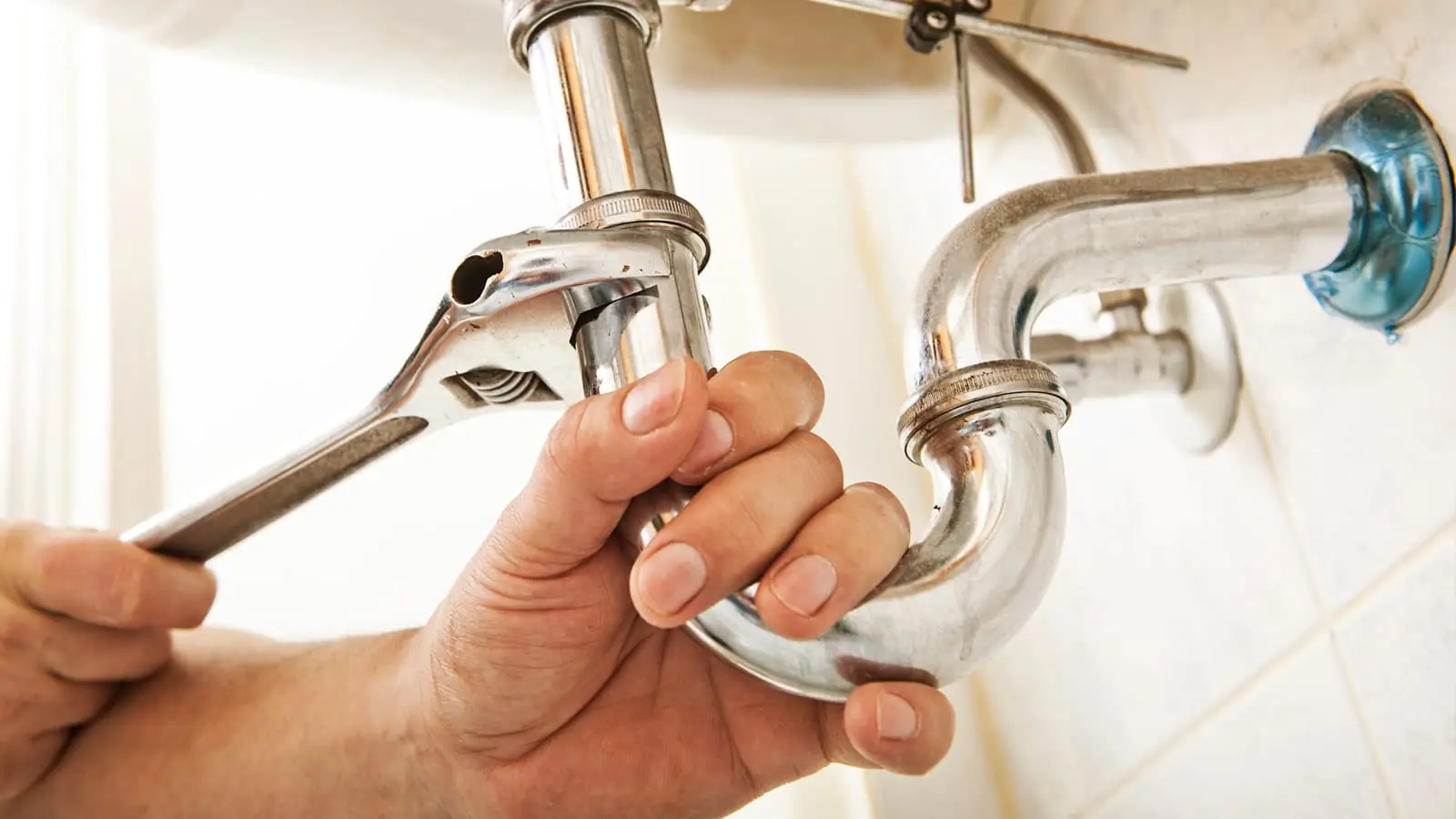




Basement flooding is one of the most common — and costly — home emergencies faced by homeowners across Western and Upstate New York. Between heavy rainstorms, rapid spring snowmelt, frozen ground that limits drainage, and fluctuating water tables near Lake Erie and Lake Ontario, sump pumps play a critical role in keeping basements dry.
However, many homeowners overlook a key fact: a sump pump is only effective if it has power when water levels rise.
Power outages often happen during the same storms that cause flooding. Without a backup system, a primary sump pump can fail at the worst possible moment, allowing water to quickly accumulate and damage flooring, drywall, stored belongings, and even major home systems.
Reimer Heating, Cooling & Plumbing helps homeowners across Buffalo, Cheektowaga, Hamburg, Rochester, and Schenectady protect their homes with properly designed sump pump backup systems. This guide explains how sump pump backups work, compares battery and water-powered options, and helps homeowners determine which solution best fits their home and risk level.
Why Sump Pump Backups Are Essential in New York
New York’s climate creates ideal conditions for basement flooding. Snow can linger well into spring, and when temperatures rise suddenly, large volumes of meltwater saturate the soil around foundations. Heavy rainstorms add even more pressure, especially when the ground is frozen or already saturated.
Backup sump pumps are essential because:
- Power outages are common during severe storms
- Primary sump pumps rely entirely on electricity
- Flooding can occur rapidly, often within minutes
Even a short outage can be enough to overwhelm a basement if water has nowhere to go.
Common Reasons Sump Pumps Fail
Many homeowners assume sump pump failures only happen when equipment breaks. In reality, failures are often caused by external factors.
Common causes include:
- Power outages during storms
- Mechanical failure due to age or wear
- Clogged or frozen discharge lines
- Pumps overwhelmed by sudden water volume
Backup systems are designed to activate automatically when these failures occur.
What Is a Sump Pump Backup System?
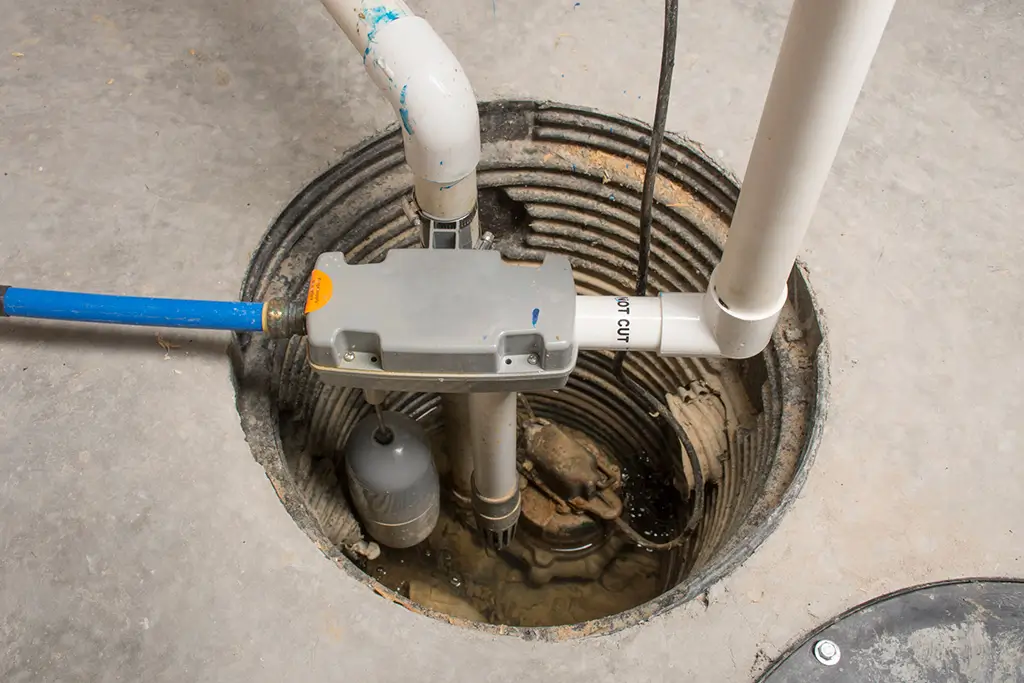
A sump pump backup system is a secondary pump installed alongside the primary pump in the sump pit. When the main pump stops working or loses power, the backup system takes over and continues removing water.
Backup systems are not meant to replace primary pumps permanently. Instead, they provide emergency protection during the most critical moments — when flooding risk is highest.
Battery Backup Sump Pumps: How They Work
Battery backup sump pumps use a rechargeable battery to power a secondary pump when electricity is unavailable.
When the primary pump fails:
- A sensor detects rising water levels
- The backup pump activates automatically
- The battery supplies power to remove water
Battery backup systems are among the most widely used solutions in New York homes.
Advantages of Battery Backup Systems
Battery backups offer flexibility and strong performance.
Benefits include:
- Operation during power outages
- Compatibility with most homes, including those with wells
- Higher pumping capacity than water-powered systems
- Available alarms and monitoring features
They are particularly valuable in homes with finished basements, expensive equipment, or stored valuables.
Limitations of Battery Backup Systems
Despite their popularity, battery backups have important limitations homeowners should understand.
Potential drawbacks include:
- Limited run time based on battery capacity
- Reduced performance as batteries age
- Batteries typically need replacement every 3–5 years
- Heavy water inflow can drain batteries quickly
Extended outages combined with heavy rain may exceed battery capacity without careful system design.
Water-Powered Sump Pumps: How They Work
Water-powered sump pumps use municipal water pressure rather than electricity or batteries. These systems rely on household water supply to create suction that removes water from the sump pit.
When the primary pump fails:
- The water-powered backup activates
- Incoming water pressure forces sump water out
- The system continues operating as long as water pressure is available
These systems do not require electricity and can run indefinitely during outages.
Advantages of Water-Powered Backup Systems
Water-powered systems offer distinct advantages:
- Unlimited run time during power outages
- No batteries to replace or maintain
- Simple mechanical operation
- Reliable during long-duration outages
They are often appealing to homeowners concerned about extended outages.
Limitations of Water-Powered Systems
Water-powered backups are not suitable for every home.
Limitations include:
- Require municipal water service (not compatible with wells)
- Lower pumping capacity than electric systems
- Increased household water usage
- Possible local plumbing code restrictions
During extreme water inflow, these systems may struggle to keep up on their own.
Battery vs. Water-Powered: Key Differences at a Glance
Battery Backup Systems
- Limited run time
- High pumping capacity
- Require battery maintenance
- Work in homes with wells
Water-Powered Systems
- Unlimited run time
- Lower pumping capacity
- No battery maintenance
- Require municipal water
The right choice depends on flood risk, home infrastructure, and outage patterns.
Which Backup System Is Best for Western NY Homes?
There is no universal solution for every home.
Battery backups are often best for:
- Homes on well water
- Properties with high water inflow
- Finished basements with high-value spaces
Water-powered backups work well for:
- Homes with municipal water
- Areas prone to extended outages
- Moderate groundwater conditions
Some homeowners choose dual backup systems, combining battery and water-powered protection for maximum reliability.
How Backup Sump Pumps Protect Plumbing and HVAC Systems
Basement flooding can damage more than flooring and drywall. Water exposure can compromise:
- Furnaces and boilers
- Water heaters
- HVAC ductwork
- Electrical panels and controls
Backup sump pumps help protect these critical systems, preventing costly repairs and extended downtime.
Signs Your Home Needs a Backup System
Homeowners should strongly consider a backup if:
- Their basement has flooded previously
- The primary sump pump runs frequently
- Power outages are common in the area
- The basement is finished or partially finished
- HVAC or plumbing equipment is located below grade
Installing a backup after a flood often costs far more than installing one beforehand.
Installation Details That Matter
Backup sump pump effectiveness depends heavily on proper sump pump installation.
Key considerations include:
- Correct pump sizing for water volume
- Proper discharge routing to prevent backflow
- Check valves and backflow prevention
- Battery capacity selection and placement
- Code-compliant plumbing connections
Improper installation can limit performance or cause backups to fail when needed.
Maintenance Requirements for Backup Systems
Backup systems must be maintained to remain reliable.
Routine maintenance includes:
- Periodic testing of backup activation
- Battery inspection and replacement
- Checking discharge lines for freezing or clogs
- Verifying alarm and monitoring systems
Many backup failures occur because systems were never tested after installation.
Why Professional Installation Makes a Difference
DIY installations often overlook critical details, including:
- Local plumbing and building codes
- Proper water pressure requirements
- Electrical safety and alarm integration
- System compatibility with existing pumps
Reimer Heating, Cooling & Plumbing installs sump pump backup systems designed to perform reliably under Western and Upstate New York’s toughest storm conditions.
Why Backup Sump Pumps Are a Smart Long-Term Investment
While backup systems involve upfront cost, they often prevent:
- Thousands of dollars in flood damage
- Mold remediation expenses
- Replacement of HVAC or plumbing equipment
- Lost personal belongings and disruption
For many homeowners, a backup system pays for itself the first time it prevents a flood.
Why Reliable Sump Pump Protection Matters for Your Home
Basement flooding is unpredictable, but preparation dramatically reduces risk. Sump pump backup systems provide peace of mind by protecting your home when storms knock out power and groundwater levels rise. Whether you choose a battery backup, a water-powered system, or a combination of both, having a backup in place safeguards your home, your systems, and your investment.
Reimer Heating, Cooling & Plumbing helps homeowners across New York select and install sump pump backup solutions tailored to their home’s layout, infrastructure, and flood risk.
Call Reimer Heating, Cooling & Plumbing today to discuss sump pump backup options and protect your home from unexpected basement flooding.