



Reimer Heating, Cooling & Plumbing proudly helps homeowners across Western and Upstate New York protect their homes from one of the most damaging cold-weather emergencies: frozen pipes. Every winter, our team responds to urgent calls from Buffalo, Rochester, Schenectady, and surrounding communities after a sudden drop in temperature causes water lines to freeze and burst. Few plumbing problems create more stress, more cleanup, or more expensive repairs than a frozen pipe. In a region known for lake-effect snow, powerful winds, and extended stretches of subzero temperatures, preventing frozen pipes is an essential part of winter home maintenance.
Understanding why pipes freeze, which areas of your home are most vulnerable, and what steps to take before, during, and after extreme cold helps protect your home throughout the winter season. This guide explains everything New York homeowners need to know about preventing frozen pipes and how Reimer Heating, Cooling & Plumbing can help safeguard your home before temperatures plunge.
Why Frozen Pipes Are So Common in Western New York
Buffalo and its surrounding communities experience some of the most severe winter weather in the Northeast. Lake-effect storms routinely push temperatures well below freezing, while sudden cold snaps can quickly overwhelm plumbing systems—especially in older homes. Many properties in Rochester, Schenectady, and Buffalo’s historic neighborhoods were built decades ago, often with plumbing lines routed through uninsulated crawl spaces, exterior walls, or drafty basements. These conditions make freezing more likely.
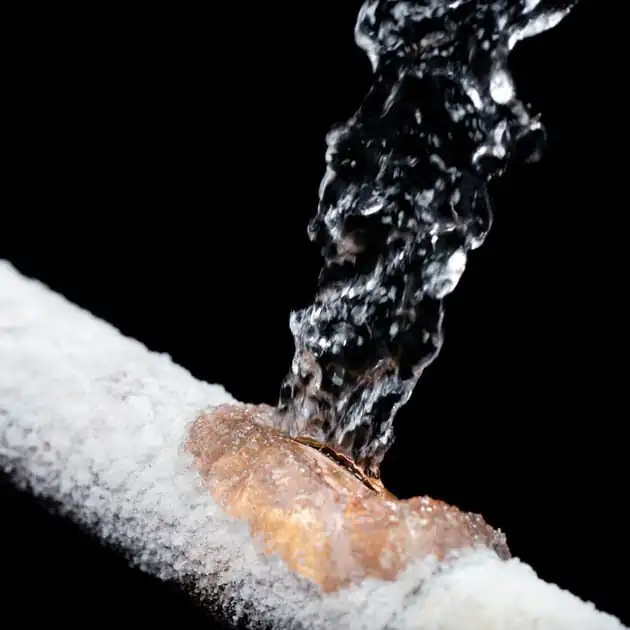
Frozen pipes occur when water inside the pipe drops below 32°F and begins to form ice. As water freezes, it expands, creating tremendous pressure inside the pipe. Eventually, the pipe bursts at the weakest point, often causing hundreds of gallons of water to flood the home once the ice thaws. Most homeowners don’t realize a pipe is frozen until water stops flowing or a pipe ruptures, resulting in immediate water damage to walls, floors, ceilings, and personal belongings.
The combination of aging plumbing infrastructure, unpredictable temperature swings, and prolonged cold spells makes Western and Upstate New York particularly vulnerable to this problem.
Which Pipes Are Most Likely to Freeze?
Not all plumbing lines face the same level of risk. The highest-risk areas typically include:
Pipes in Exterior Walls
Exterior walls lose heat quickly during Buffalo’s powerful winter winds. If the insulation behind these walls is inadequate or deteriorated, the pipes inside become extremely vulnerable.
Unheated or Poorly Insulated Spaces
These include:
- Basements
- Crawl spaces
- Attics
- Garages
- Utility rooms
If a room is cold to the touch in winter, any plumbing inside is at risk.
Under-Sink Plumbing in Kitchens and Bathrooms
Cabinets block warm air from circulating around water lines, causing these pipes to freeze more quickly during overnight temperature drops.
Outdoor Plumbing
Hose bibs, irrigation lines, and exterior faucets freeze early in the season if not properly winterized.
Older Metal Pipes
Galvanized and copper pipes expand differently than modern PEX tubing, making them more prone to cracking under pressure.
How to Prevent Frozen Pipes: A Complete Homeowner Checklist
Western New York homeowners can dramatically reduce the risk of frozen pipes by following a comprehensive prevention plan before and during winter.
1. Maintain a Consistent Indoor Temperature
When temperatures drop rapidly, your furnace may struggle to keep every area of your home warm. Keeping your thermostat set to at least 55°F, even when you’re away, helps stabilize interior temperatures and prevents pipes from dropping into the freezing range.
During the coldest days—especially when wind chills drop below zero—experts recommend setting the thermostat higher than normal. This added warmth travels into under-insulated areas where pipes often freeze first.
2. Allow Faucets to Drip During Extreme Cold
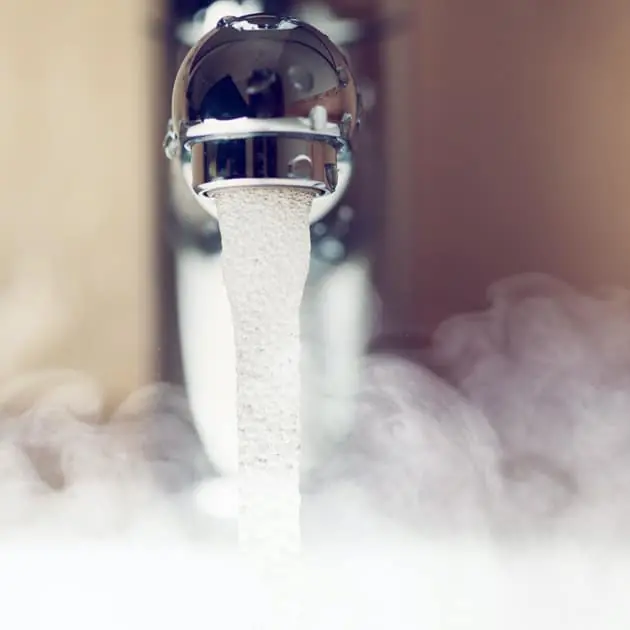
Running water—even a slow drip—helps prevent pressure buildup inside pipes. A dripping faucet allows cold water to move through the system, reducing the chance of freezing.
Which faucets should drip?
- Ones connected to pipes running through exterior walls
- Upper-level bathrooms where pipes travel through cold spaces
- Long pipe runs that take time to warm up
This simple step is highly effective during intense lake-effect cold snaps.
3. Open Cabinet Doors to Allow Warm Airflow
Kitchen and bathroom plumbing often sits inside enclosed cabinets. When temperatures outside plummet, these small compartments become trapped pockets of cold air. Opening cabinet doors helps heat reach the pipes and reduces freezing risk.
If you have small children or pets, take care to remove hazardous cleaning products before leaving cabinets open.
4. Seal Drafts and Air Leaks
Cold air entering through windows, door frames, foundation gaps, and utility penetrations can cause ice to form inside walls. Common draft locations include:
- Cracks near basement windows
- Gaps around exterior doors
- Areas where electrical wiring enters walls
- Dryer vent connections
- Foundation penetrations for plumbing
Using weatherstripping, caulk, and insulation foam helps maintain warmer temperatures around pipes.
5. Add Pipe Insulation in Vulnerable Areas
Pipe insulation is one of the most effective and affordable tools available. Foam sleeves, fiberglass wrap, or heat tape can provide extra protection.
Insulation is especially important in:
- Crawl spaces
- Attics
- Basements
- Garages
- Unfinished utility rooms
Homeowners with older homes should consider professional insulation upgrades, as original insulation may have settled or deteriorated over time.
6. Winterize Exterior Plumbing Lines
Before the first freeze, be sure to:
- Disconnect garden hoses
- Shut off water to exterior spigots
- Drain the outdoor faucet line
- Install insulated faucet covers
For sprinkler or irrigation systems, schedule a blowout service to remove water from underground lines.
7. Keep Garage Doors Closed During Winter
Plumbing lines often run behind or above garages. Cold air entering through an open garage door can quickly drop temperatures and freeze nearby pipes.
8. Improve Basement and Crawl Space Insulation
Uninsulated basements and crawl spaces are two of the biggest contributors to frozen pipes in Buffalo and Rochester homes. Adding insulation, sealing cold-air entry points, or installing vapor barriers can provide substantial protection.
9. Monitor Weather Forecasts for Sudden Temperature Drops
Lake-effect weather patterns can cause rapid changes in temperature. Homeowners should take additional precautions when:
- Wind chills drop below -10°F
- Snowstorms bring long periods of freezing temperatures
- Overnight lows fall unexpectedly
Taking preventive action before temperatures fall can be the difference between a safe home and a costly repair.
Signs Your Pipes Are Starting to Freeze
Identifying early warning signs can help homeowners intervene before pipes burst. Symptoms include:
- Reduced water flow
- Faucets that stop running entirely
- Frost on exposed pipes
- Rattling or unusual noises in plumbing lines
- Strange odors from drains (caused by partial blockages)
- Cold or damp patches on walls
If any of these signs appear during winter, immediate action is needed.
What to Do If a Pipe Freezes
If you suspect a frozen pipe, take these steps:
- Keep the faucet open—trickling water helps melt ice.
- Apply gentle heat using a hair dryer, heating pad, or space heater.
- Warm the pipe slowly from the faucet end toward the blockage.
- Never use an open flame, blowtorch, or propane heater.
If you cannot locate the frozen section, the pipe is hidden in a wall or ceiling, or you see signs of a leak, call a professional immediately. A small freeze can quickly escalate.
What Happens When a Pipe Bursts?
A burst pipe can release dozens of gallons of water per minute. Damage often includes:
- Ruined drywall and flooring
- Damaged insulation
- Electrical safety hazards
- Mold growth
- Structural damage
- Destroyed belongings
If a pipe bursts:
- Shut off your main water supply
- Turn off electricity in affected areas
- Call a professional plumber immediately
Fast action minimizes damage.
Long-Term Solutions to Prevent Frozen Pipes
Reimer Heating, Cooling & Plumbing offers long-term solutions for homes with recurring frozen pipe issues. These may include:
- Rerouting vulnerable pipe sections
- Adding heat tape with thermostatic control
- Improving basement or crawl space insulation
- Replacing aging galvanized or copper piping
- Installing smart leak detection devices
- Adding shutoff valves for high-risk areas
Many older New York homes were designed before modern insulation and plumbing standards, making these upgrades particularly beneficial.
Why Homeowners Trust Reimer to Protect Their Plumbing
Homeowners across Buffalo, Rochester, Schenectady, Hamburg, and Cheektowaga rely on Reimer Heating, Cooling & Plumbing because our team understands New York’s harsh winter climate and the unique challenges it creates for home plumbing systems. We have decades of experience preventing frozen pipes, repairing burst lines, and helping homeowners strengthen their plumbing systems for long-term protection.
If you’re worried about frozen pipes or want professional guidance to protect your home before temperatures drop, Reimer is here to help with solutions you can trust. Call Reimer Heating, Cooling & Plumbing today to schedule winter plumbing service and ensure your home stays safe and water-damage-free all season long.