



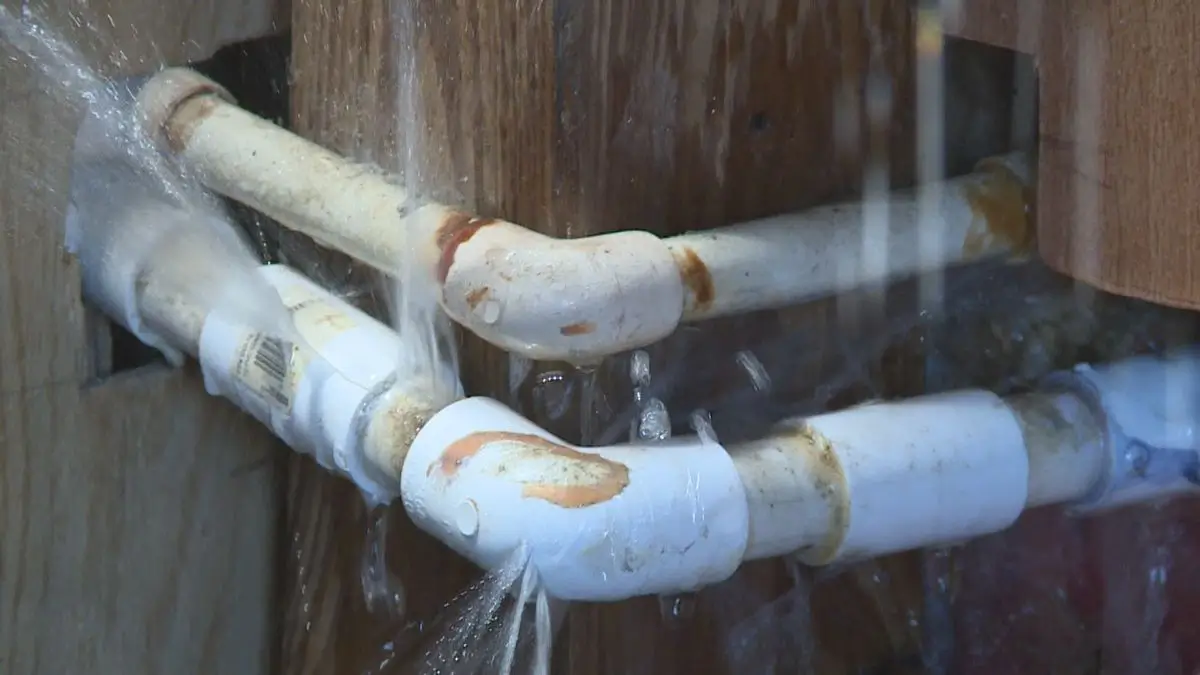
A burst pipe is one of the most stressful plumbing emergencies a homeowner can face. In a matter of minutes, a broken pipe can release gallons of water into your home, damaging floors, walls, furniture, and personal belongings.
During the cold winters common across Western and Upstate New York, burst pipes are especially common. When water freezes inside a pipe, it expands and can cause the pipe to crack or rupture.
Reimer Heating, Cooling & Plumbing helps homeowners throughout Buffalo, Rochester, and surrounding New York communities respond quickly to burst pipe emergencies and restore safe plumbing systems. Knowing what steps to take immediately can help minimize damage and protect your home.
Why Burst Pipes Are Common in Western New York
New York’s climate plays a major role in plumbing emergencies. Winter temperatures regularly drop below freezing, creating conditions where pipes can freeze and burst.
Several regional factors increase the risk.
Freezing Winter Temperatures
When water freezes inside pipes, it expands and increases pressure within the pipe walls. If pressure becomes too great, the pipe can crack or burst.
Older Plumbing Systems
Many homes across Buffalo and Rochester were built decades ago and still have older copper, steel, or PVC plumbing systems that may be more vulnerable to freezing.
Poor Pipe Insulation
Pipes located in crawl spaces, basements, garages, or exterior walls may not be properly insulated against cold temperatures.
Rapid Temperature Drops
Sudden cold snaps, which are common near Lake Erie and Lake Ontario, can freeze pipes quickly before homeowners realize there is a problem.
Because these conditions are common along the I-90 corridor and across Western New York, burst pipes are one of the most frequent winter plumbing emergencies.
What Homeowners Need to Know About Burst Pipes
A burst pipe does not always happen exactly where the pipe froze. Instead, pressure builds inside the pipe until a weak section eventually breaks.
Once the pipe bursts, water can flow rapidly into your home.
A single burst pipe can release hundreds of gallons of water per hour, which can lead to:
- Flooded basements
- Damaged drywall and flooring
- Electrical hazards
- Mold growth
- Structural damage
Immediate action is critical to reduce damage.
What to Do First During a Burst Pipe Emergency
Knowing how to respond quickly can significantly reduce the impact of a plumbing emergency.
1. Shut Off the Main Water Supply
The first and most important step is turning off your home’s main water valve.
This stops water from continuing to flow through the damaged pipe.
Most homes have the main shut-off valve located:
- Near the water meter
- In the basement
- Along the foundation wall
- In a utility room
If you are unsure where the valve is located, it’s a good idea to find it before an emergency occurs.
2. Turn Off Electricity Near the Leak
If water is pooling near electrical outlets, appliances, or wiring, turn off electricity to the affected area from your circuit breaker.
Water and electricity are a dangerous combination, so safety should always come first.
3. Drain Remaining Water from Pipes
After shutting off the main water supply, open faucets throughout your home.
This helps drain remaining water from the pipes and reduces pressure in the system.
Flush toilets once to empty the tanks as well.
4. Contain the Water
Use towels, buckets, or a wet vacuum to manage standing water while waiting for professional help.
If possible, move furniture, electronics, and valuables away from the affected area.
5. Call a Professional Plumber Immediately
Burst pipes require professional repair to ensure the plumbing system is restored safely.
A licensed plumber can identify the damaged section, replace it, and check for additional problems.
Call Reimer Heating, Cooling & Plumbing today for fast plumbing repair if you experience a burst pipe emergency.
Signs a Pipe May Have Burst
In some cases, a pipe may burst in a hidden area such as inside a wall or beneath flooring.
Watch for these warning signs:
- Sudden drop in water pressure
- Water stains on ceilings or walls
- Unexplained puddles or flooding
- Mold or musty smells
- Unusually high water bills
- Sounds of running water when fixtures are off
If you notice these symptoms, a professional inspection can help locate the problem quickly.
How Plumbing Professionals Repair Burst Pipes
When technicians arrive to repair a burst pipe, they begin with a thorough inspection of the plumbing system.
Step 1: Identify the Damaged Section
Technicians locate the exact location of the burst pipe and assess surrounding damage.
Step 2: Remove the Broken Pipe Section
The damaged portion of pipe is cut out and removed.
Step 3: Install a Replacement Pipe
A new pipe section is installed and sealed using professional fittings.
Step 4: Test the Plumbing System
Once repairs are complete, the water supply is restored and the system is tested to ensure there are no leaks.
Experienced technicians may also inspect nearby pipes to ensure additional freeze damage has not occurred.
How to Prevent Frozen and Burst Pipes
Preventative measures can significantly reduce the risk of frozen pipes during winter.
Homeowners across Buffalo and Rochester can take the following steps:
- Insulate pipes in unheated areas
- Seal air leaks around exterior walls
- Keep garage doors closed during cold weather
- Allow faucets to drip slightly during extreme cold
- Maintain consistent indoor heating
- Disconnect outdoor garden hoses before winter
These simple steps can help protect plumbing systems during freezing temperatures.
When to Call an Emergency Plumber
Some plumbing problems require immediate professional attention.
You should contact an emergency plumber if you experience:
- Active flooding from a broken pipe
- Frozen pipes that have cracked
- No water throughout the home
- Multiple pipe leaks at once
- Severe water damage
Quick response helps prevent costly structural damage and protects your home.
Need fast plumbing repairs? Contact Reimer Heating, Cooling & Plumbing now for reliable service.
Why Homeowners Trust Reimer for Burst Pipe Repairs
For decades, homeowners across Western and Upstate New York have relied on trusted professionals to respond quickly to plumbing emergencies.
Reimer technicians provide:
- Fast emergency plumbing response
- Experienced licensed professionals
- Reliable pipe repair and replacement
- Advanced leak detection tools
- Honest recommendations and upfront pricing
Whether your home experiences a frozen pipe during a winter storm or a sudden plumbing leak, professional service helps restore your system safely.
Frequently Asked Questions About Burst Pipes
How long does it take for pipes to freeze?
Pipes can freeze in as little as 6–8 hours when temperatures drop below 20°F.
Are burst pipes covered by homeowners insurance?
Many insurance policies cover sudden pipe bursts, but coverage varies depending on the policy and cause of damage.
Can a frozen pipe burst later?
Yes. Even after thawing, internal pipe damage may eventually cause the pipe to fail.
What temperature should I keep my home during winter?
Keeping indoor temperatures at 55°F or higher helps reduce the risk of freezing pipes.
Get Fast Help for Burst Pipe Emergencies
Burst pipes can cause serious water damage if not addressed quickly. Immediate action and professional repair can protect your home and restore your plumbing system safely.
For generations, families across New York have trusted Reimer Heating, Cooling & Plumbing for reliable home comfort solutions. Call today to schedule your service and see why neighbors continue to choose Reimer.