



A sump pump is one of those home systems that most people never think about until they need it urgently. By then, the decision about what to buy and who to hire is being made under pressure, which is rarely the best condition for evaluating costs clearly. Whether you are installing a sump pump system for the first time or replacing one that has reached the end of its life, knowing what drives the cost gives you a realistic budget and makes it easier to identify a fair quote from an unfair one.
Installation costs vary considerably depending on the type of pump, the complexity of the installation, whether a basin already exists, and the condition of the electrical and drainage infrastructure in the home. Most homeowners spend somewhere between $600 and $2,000 for a complete professional sump pump installation, though projects on either end of that range are common for specific reasons.
What You Are Actually Paying For When Installing a Sump Pump?
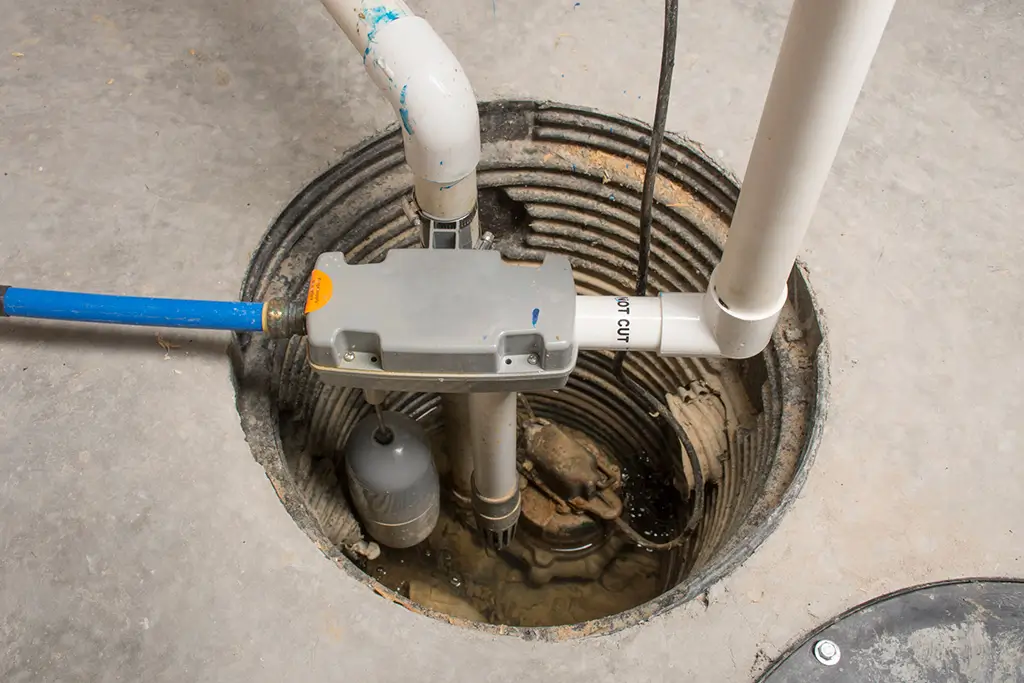
The purchase price of the pump unit itself is only one part of the total cost. You also need to understand what the core functions of a sump pump are and how it all works. A full installation involves labor, materials beyond the pump, and in some cases prep work that has to happen before the pump can even be installed.
The Pump Unit
Submersible pumps, which sit inside the sump basin and operate underwater, typically cost between $100 and $400 for the unit alone depending on horsepower and brand. Pedestal pumps, which mount the motor above the basin on a shaft, run slightly less at $75 to $250 but are less common in finished basements because they are noisier. Battery backup systems add $150 to $350 on top of the primary pump, and combination units that include both primary and backup in a single system range from $300 to $600 for the hardware.
Labor
Labor is where costs diverge most significantly between projects. A straightforward pump replacement in an existing basin with accessible electrical and a clear discharge path runs $150 to $400 in labor. A new installation that requires cutting through the concrete floor, setting a basin, running a discharge line through the wall, and connecting to a dedicated electrical circuit can add $500 to $1,000 in labor costs on top of materials. Regional labor rates vary as well, with urban markets and areas where plumbers are in high demand pushing toward the higher end of any range.
Materials Beyond the Pump
The discharge pipe, check valve, basin liner, gravel backfill, and any pipe fittings or connectors required for the installation add $50 to $200 depending on the scope of work. If the discharge line needs to run a significant distance to exit the home, or if it needs to be routed around obstacles, that figure goes up.
The Difference Between a New Sump Pump Installation vs Replacing a Sump Pump
These are meaningfully different sump pump projects and carry different cost profiles. Understand the different cost factors to consider when thinking of replacing or installing a new sump pump:
Replacing an Existing Pump
If a sump basin is already in place, the electrical circuit is properly sized and accessible, and the discharge line is intact, replacing a failed pump is a relatively contained job. The technician removes the old unit, drops in the new one, reconnects the discharge pipe and check valve, and tests the system. Total cost including parts and labor typically falls between $400 and $900.
First-Time Installation
A first-time sump pump installation requires cutting a hole in the concrete basement floor, setting and surrounding the basin liner with gravel, installing the pump, running a discharge line through the basement wall to an appropriate exterior termination point, and connecting to a dedicated GFCI-protected electrical circuit. If that circuit does not already exist, an electrician may need to run one from the panel, which adds $150 to $300 to the project. Total cost for a new installation in a home with no existing drainage infrastructure commonly runs $1,000 to $2,000.s to collect.
Factors That Affect the Cost of Installing or Replacing a Sump Pump
Several conditions add meaningfully to what a straightforward sump pump installation quote would otherwise be. Here are the factors that can determine the cost of installing a sump pump:
Concrete That Is Difficult to Cut
Basement floors vary in thickness and composition. A thick slab or one with rebar reinforcement takes more time and specialized equipment to cut through for the basin pit. In older homes with particularly dense concrete, this step alone can add $200 to $400 to the labor cost.
Long or Complex Discharge Runs
The discharge pipe needs to exit the home and terminate far enough from the foundation that the water it expels does not simply seep back in. In some homes, routing that pipe to an appropriate exterior point requires running it a significant distance, navigating obstacles, or drilling through a thick foundation wall. Each of these conditions adds time and materials.
Adding a Battery Backup System
Homes in areas with frequent power outages during storms benefit from a battery backup pump, but adding one at the time of installation increases the total cost by $300 to $700 depending on the system capacity and how the wiring is handled. Installing backup at the same time as the primary pump is less expensive than adding it later as a separate project.
Interior Drain Tile
If water intrusion is coming from multiple points along the foundation perimeter rather than collecting naturally at a single low point, a perimeter drain tile system may be needed to channel water to the basin effectively. This is a much larger project, typically costing $3,000 to $8,000 or more depending on basement square footage, and transforms what might have been a simple pump installation into a comprehensive basement waterproofing job.
Existing Drainage Problems
If the inspection before installation reveals a deteriorated drain pipe, incorrect grading on the discharge line from a previous installation, or a basin that has cracked or settled out of position, those issues need to be corrected as part of the project. These are not always predictable before work begins, which is why reputable plumbing contractors include a site evaluation before providing a final quote.
When the Cost of Installing a Sump Pump Is Worth it
A sump pump installation is one of those projects where deferring it has a clear and calculable downside. A single basement flooding event can cause $5,000 to $25,000 in damage to flooring, drywall, stored belongings, and structural materials, and that figure does not account for mold remediation if the water is not dried out quickly. Most homeowners’ insurance policies do not cover flooding caused by groundwater or sump pump failure without a specific endorsement.
For a home in an area with seasonal flooding risk, a high water table, or a basement that has shown any sign of moisture, the installation cost relative to that potential exposure is modest. The projects that look most expensive in the short term are often the ones that look least expensive once a flooding event provides the comparison.
How Professional Sump Pump Installation Works
Installing a sump pump involves several steps to ensure the system functions reliably.
Step 1: Site Evaluation
Technicians evaluate the basement or crawl space to determine the best location for the sump basin. The lowest point of the foundation is typically chosen.
Step 2: Excavating the Sump Pit
A hole is dug in the basement floor where the sump basin will be installed. The basin is placed securely and surrounded by gravel to improve drainage.
Step 3: Installing the Pump
The sump pump is installed inside the basin and connected to a discharge pipe. The pipe directs water away from the home’s foundation.
Step 4: Electrical Connection
The pump is connected to a dedicated electrical outlet to ensure safe operation.
Step 5: System Testing
After installation, the pump is tested to ensure it activates correctly and removes water efficiently. Professional installation helps ensure the system operates reliably during heavy storms.
Benefits of Installing a Sump Pump
Installing a new sump pump provides several long-term benefits for homeowners. Here are the benefits of installing a new sump pump system for your home:
Flood Prevention
The primary advantage is protecting your basement from water intrusion during heavy rain or snowmelt.
Reduced Mold and Mildew Risk
Removing excess moisture helps prevent mold growth and improves indoor air quality.
Protection for Finished Basements
Homes with finished basements benefit greatly from sump pumps, as flooding can damage flooring, drywall, and furniture.
Increased Property Value
A well-maintained basement drainage system can improve a home’s overall value and appeal to buyers.
When to Stop Troubleshooting and Call a Professional Plumbing Contractor
There is a point in most sump pump situations where continuing to research, adjust, or wait becomes the more expensive option. If water is already entering the basement and the pump is not responding, that point has passed. If the pump is cycling constantly without clearing the basin, running silently without moving water, or simply not activating when it should, these are not problems that benefit from a second look tomorrow.
Persistent water problems in a basement do not resolve on their own, and a pump that is failing partially will fail completely at the worst possible time, which is always during the next significant storm. A sump pump system that is undersized, incorrectly installed, or simply at the end of its service life needs professional attention, not another round of troubleshooting.
When the basement is wet, the pump is behaving strangely, or you are not confident the system will hold up through the next heavy rain, call Reimer at (716) 272-2371. The team has the diagnostic tools to identify exactly what the system needs, whether that is a repair, a replacement, or a full installation, and the experience to get it done before the next storm decides for you. Some problems are worth handing off to people who solve them every day.